


Waders: The Top Choices for Deep Water, Saltwater, and Mountain Streams
Finding the right waders is crucial for any fly fisher, especially when navigating diverse water conditions. Choosing the best fly fishing waders can enhance my experience, whether I'm in deep waters, saltwater environments, or mountain streams. Each setting presents unique challenges, so my gear must be tailored accordingly to ensure comfort and functionality.
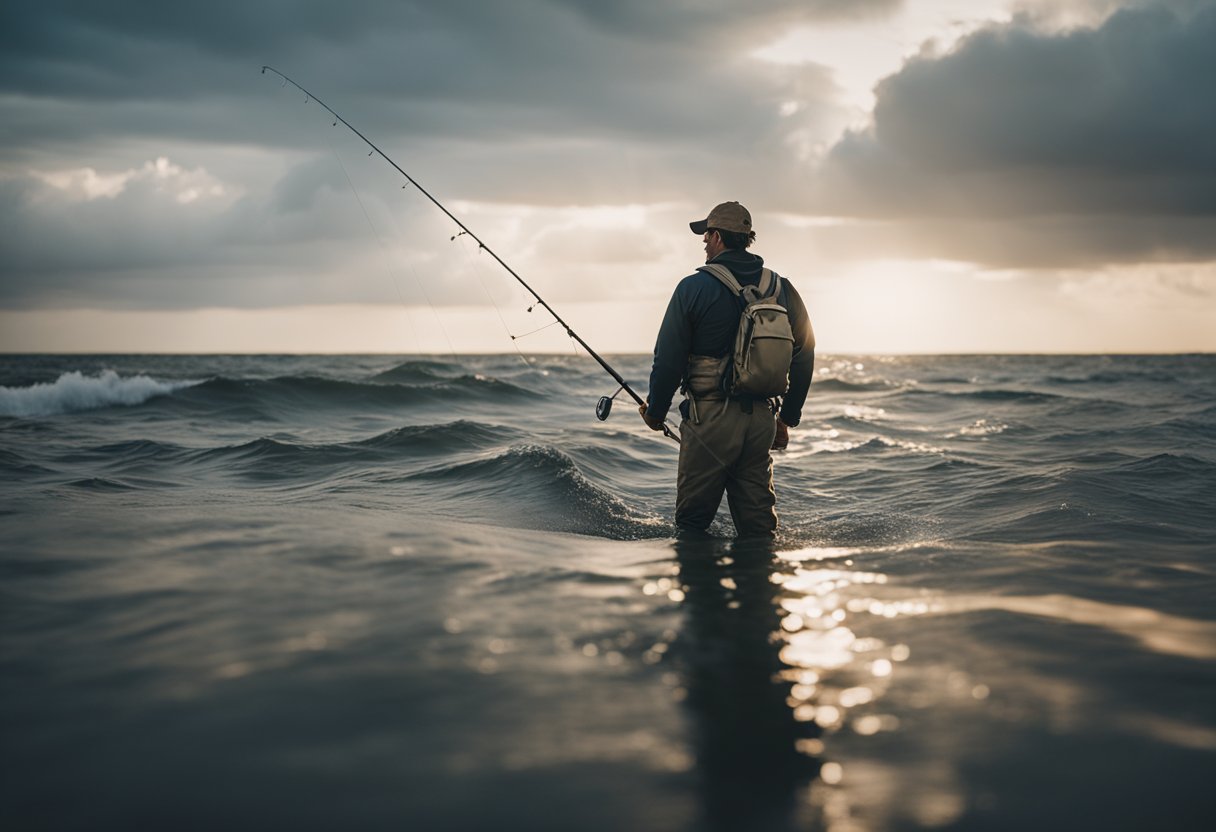
When it comes to deep water fishing, I need waders that can keep me dry and provide ample mobility. For saltwater fishing, durability against corrosion and sharp objects is essential. In mountain streams, lightweight and breathable materials allow for better movement and temperature regulation during my pursuit of trout.
Among the leading options, Simms fly fishing waders stand out for their quality and performance. They balance comfort, durability, and specific features designed for various fishing environments, making them a top choice for serious anglers like me. Selecting the right waders is not just about staying dry; it's about enhancing every fishing adventure.
Types of Fly Fishing Waders
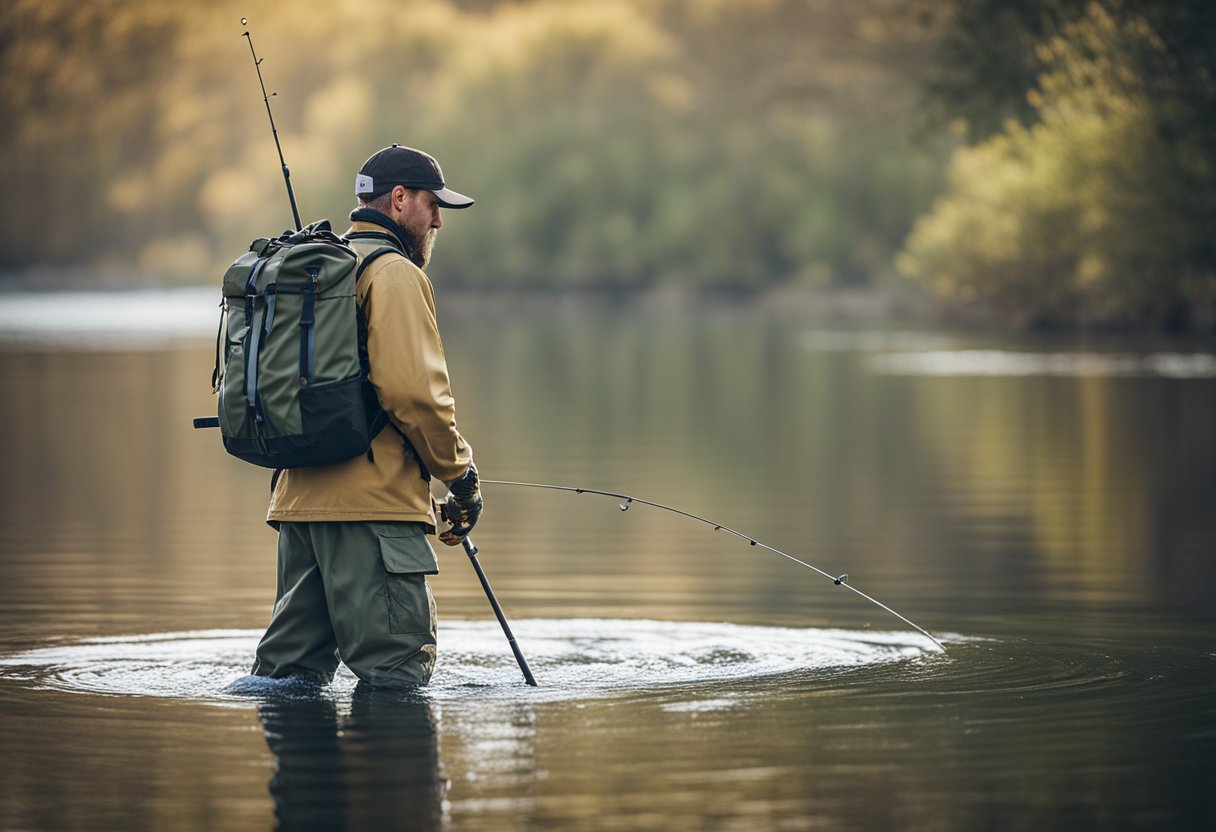
In exploring the variety of waders available, it's essential to consider your fishing environment and personal comfort. The main types of fly fishing waders include stockingfoot waders, bootfoot waders, and wading pants, each offering distinct features suitable for different conditions.
Stockingfoot Waders
Stockingfoot waders are characterized by built-in neoprene or breathable booties at the feet. This design allows for flexibility in pairing them with various wading boots. I prefer stockingfoot waders for deep water and demanding conditions since they can easily accommodate thicker insulation socks in colder waters.
These waders come in various materials, with breathable options providing excellent ventilation for warmer days. When choosing stockingfoot waders, I look for features like reinforced knees and additional storage pockets for convenience. Proper fitting is crucial to avoid water leaks and ensure comfort during long fishing trips.
Bootfoot Waders
Bootfoot waders come with integrated boots, allowing for quick and easy on and off. This design is beneficial for situations where I need to change quickly between locations. They tend to be less versatile compared to stockingfoot waders, but they offer solid insulation in colder waters, often featuring thicker materials.
While bootfoot waders are convenient, they can be bulkier. For saltwater fishing, they serve well due to their durable construction against abrasive elements. When selecting bootfoot waders, it's pivotal to ensure a secure fit around the ankles to prevent water entry.
Wading Pants
Wading pants present a lighter alternative for warmer conditions or shallow waters where full waders might be excessive. Made from breathable materials, I often choose these for quick outings or when I want to stay mobile. They are easier to wear and less cumbersome than full waders, making them suitable for mountain streams.
Many wading pants come with adjustable straps and pockets for carrying essentials. While they may not provide the same level of insulation as traditional waders, layering with thermal undergarments can enhance warmth. Selecting the appropriate size is vital to maintain comfort and mobility during my fishing adventures.
Selecting Waders for Fishing Environments
Choosing the right waders for specific fishing environments is essential for comfort and safety. Each setting requires different features to ensure performance and durability. Below are key considerations for various fishing situations.
Best Fly Fishing Waders for Deep Water
When fishing in deep water, I prioritize waders that offer maximum insulation and buoyancy. Neoprene waders are a popular choice due to their superior thermal retention, which keeps me warm in cold conditions.
Key Features:
- Material: Neoprene or breathable materials.
- Thickness: Look for at least 3.5mm thickness.
- Seams: Fully sealed seams prevent water infiltration.
A pair of waders with reinforced knees and extra cushioning also enhances comfort during long periods in the water. Consider waders with integrated boots for added convenience and better traction on slippery surfaces.
Fly Fishing Waders for Saltwater Fishing
Saltwater environments demand waders that resist corrosion and provide UV protection. I choose breathable waders made from high-quality nylon or polyester fabrics. These materials dry quickly and are less prone to absorbing saltwater.
Key Features:
- Material: Durable nylon or polyester.
- Waterproofing: Look for advanced waterproof membranes.
- Booties: Neoprene booties or integrated boots for comfort.
I also inspect the drainage systems in the waders to avoid water pooling inside. Saltwater-resistant zippers further enhance the longevity of my waders.
Fly Fishing Waders for Mountain Streams
In mountain streams, waders must be lightweight and flexible for maneuvering through fast-moving water. I often select breathable waders that allow moisture to escape, keeping me dry while remaining agile.
Key Features:
- Material: Lightweight and breathable fabrics.
- Design: Ankle cuffs prevent debris entry.
- Adjustability: Waist and suspenders should allow a snug fit.
Hydrophobic finishes can be beneficial for quick drying after exposure to water. Reinforced areas around the knees and seat provide added durability against rough terrain.
Featured Brands and Products
In my experience, selecting the right waders can significantly enhance your fly fishing adventures. Two standout options come to mind: Simms Waders and the G4Z Stockingfoot Waders by Simms. Both brands have features that cater to various fishing environments and preferences.
Simms Fly Fishing Waders
Simms is renowned for its durability and performance. Their waders are designed to withstand harsh conditions while ensuring comfort. Key features include:
- Material: Advanced materials that provide waterproofing and breathability.
- Fit: Tailored fit options for various body types to ensure ease of movement.
- Comfort: Padded shoulders and cushioned footbeds enhance comfort during long days on the water.
These waders are suitable for both freshwater and saltwater fishing, making them versatile for any angler.
G4Z Stockingfoot Waders by Simms
The G4Z Stockingfoot Waders exemplify innovation in wader design. Their features include:
- Fabric Technology: Constructed with Gore-Tex® which offers exceptional water resistance and breathability.
- Storage: Multiple pockets for easy access to fly boxes and tools.
- Reinforcements: Extra durability is provided in high-wear areas, such as the knees and seat.
These waders are particularly beneficial for anglers targeting deep-water environments or those who navigate rocky terrains. Their performance speaks volumes in challenging conditions, ensuring I stay dry and comfortable.
Accessory Considerations
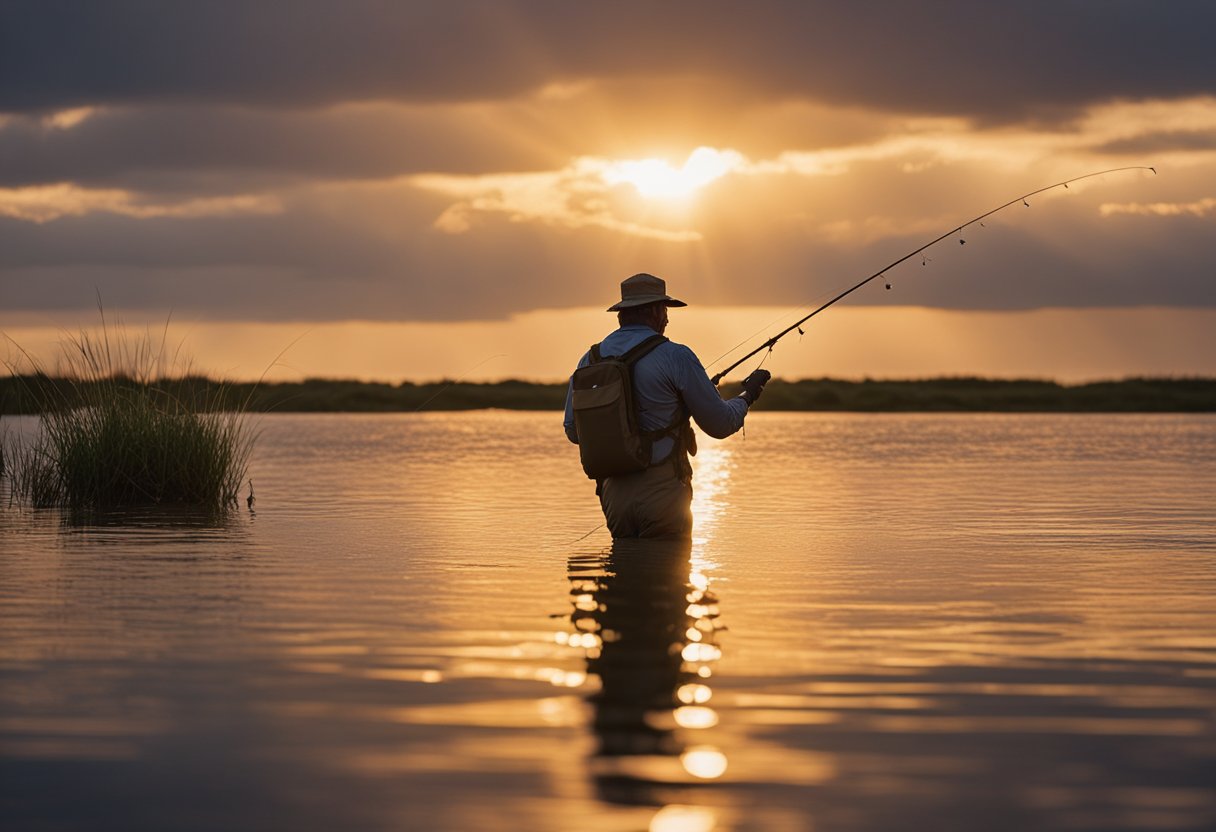
When selecting fly fishing waders, choosing the right accessories is essential for comfort and safety. Wading boots are a critical part of the setup, providing support and traction in various fishing environments.
Wading Boots
Wading boots must be durable and offer good traction on slippery surfaces. I prefer boots with a sturdy rubber or felt sole for optimal grip in both freshwater and saltwater conditions. The choice between felt and rubber often depends on the fishing environment.
Key features to consider:
- Support: Look for a supportive ankle design to prevent injuries in rocky areas.
- Fit: Ensure a snug fit; try on with the thick socks you'll wear while fishing.
- Water Drainage: I find models with drainage ports beneficial to avoid waterlogging.
Investing in quality wading boots improves safety and enhances the overall fishing experience.