


Waders: Top Choices for Deep Water, Hiking, and Slippery Rocks
When engaging in fishing, especially fly fishing, having the right gear is essential for enhancing my experience on the water. Waders and wading boots play a crucial role in providing comfort and safety while navigating various terrains. Choosing the best wading boots can significantly impact my ability to traverse deep water and slippery rocks, ensuring that I stay stable and dry while pursuing my catch.
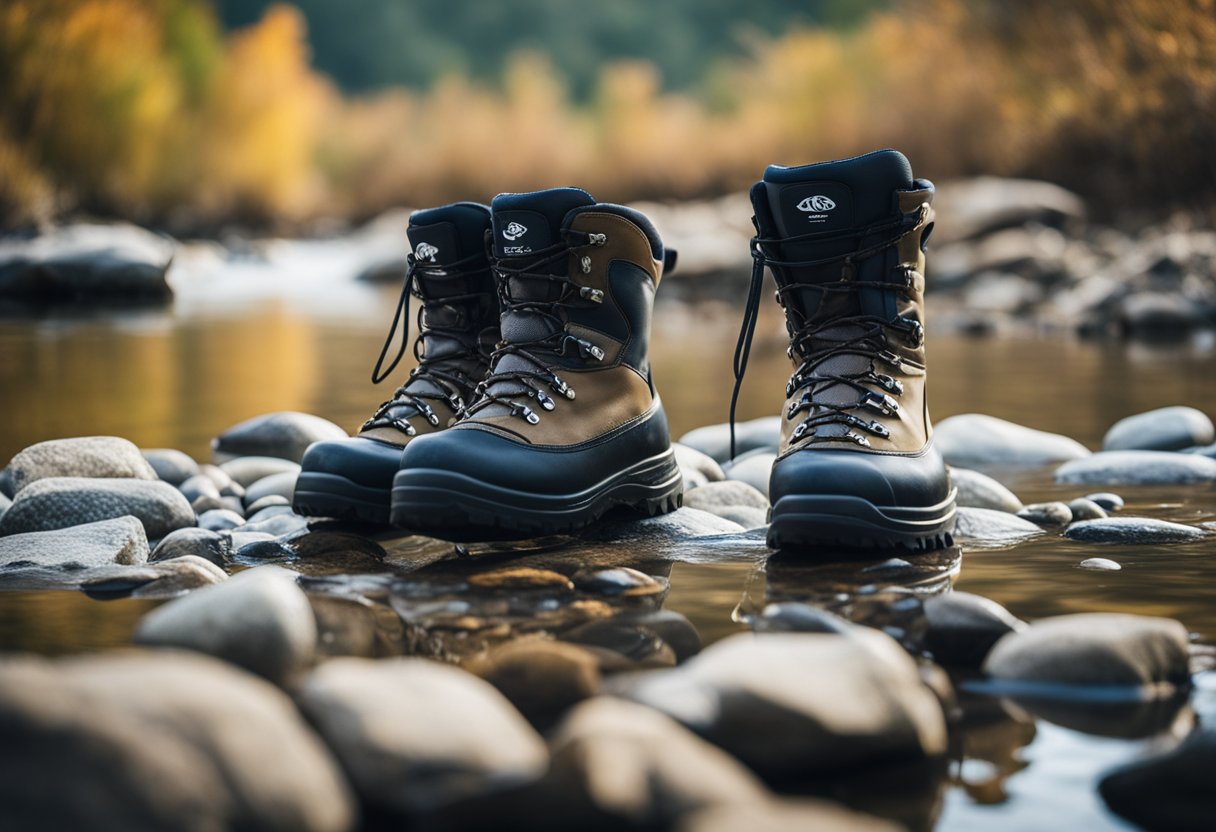
I often consider factors such as weight, traction, and support when selecting wading boots, particularly for hiking to my favorite fishing spots. The most reliable models, like Simms wading boots, offer features tailored to wet wading and durable materials that can handle rough conditions. Understanding these elements can make a big difference in my fishing trips, allowing me to focus more on landing that trophy fish instead of worrying about my footing.
Whether I'm casting in still waters or navigating swift currents, the right pair of wading boots can enhance my fishing experience. With the variety of options available today, from specialized designs for deep water to those optimized for rocky riverbeds, I can find the perfect fit for my adventures.
Choosing the Right Wading Boots
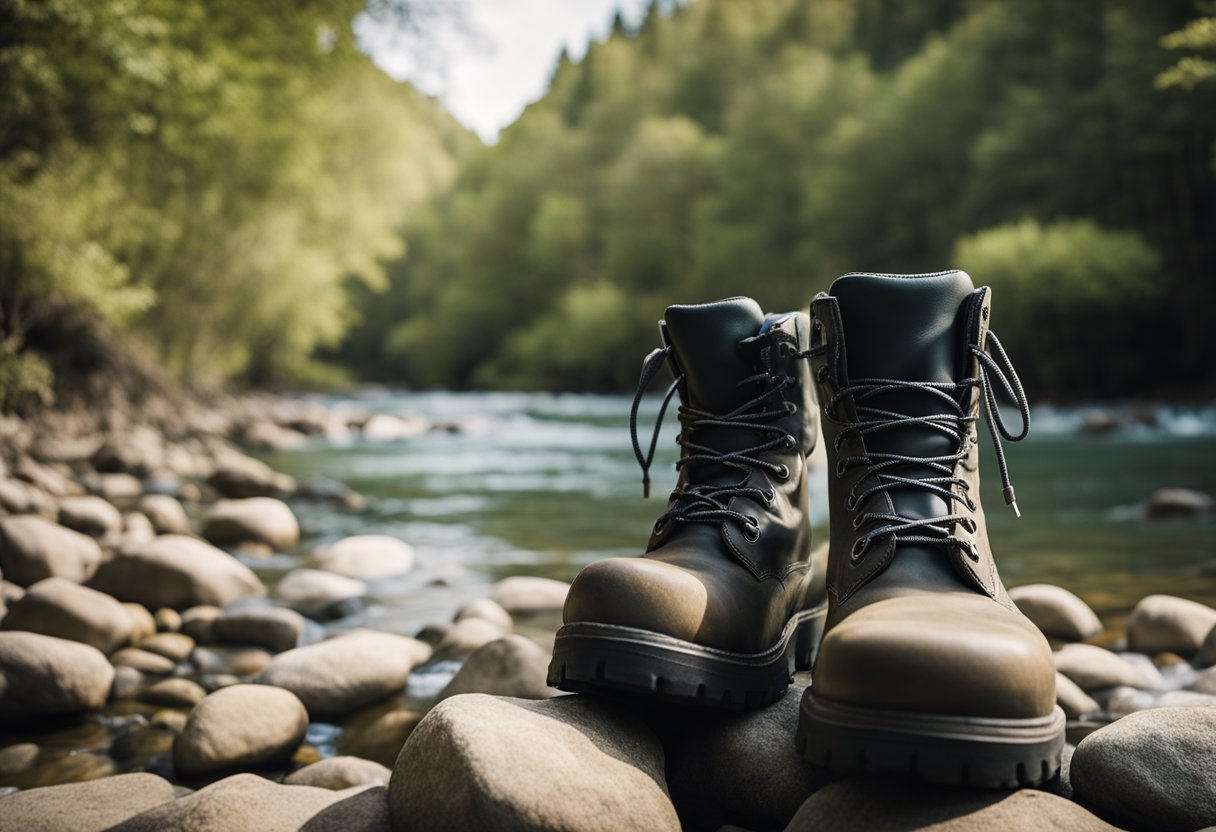
Selecting the appropriate wading boots is crucial for comfort and safety while fishing or hiking in wet environments. I consider several factors, including materials, fit, and traction, to ensure my boots meet my specific needs.
Materials and Construction
When it comes to materials, I find that wading boots are typically made from synthetic fabrics, rubber, or a combination of both for durability. Rubber soles are excellent for rocky surfaces and provide good traction, while felt soles excel in slippery environments, such as riverbeds.
The construction of boots should include reinforced seams and a rugged exterior to withstand wear and tear. Insulation can be beneficial in colder waters, while a breathable design will keep my feet comfortable during warmer weather. My choice tends to focus on a balance of durability and comfort.
Fitting and Sizing
Getting the right fit is essential. I often refer to manufacturer sizing charts to ensure I select the proper size, considering that wading boots can sometimes run small. It's advisable to try them on with the socks I intend to wear, as this adds to overall comfort.
Boots should fit snugly without restricting mobility. I also look for a suitable closure system, which can include laces or straps that allow for adjustments depending on my activity and the conditions. This customization is vital for maintaining comfort throughout my outings.
Traction and Sole Options
Traction is a key focus when choosing wading boots. I generally prefer felt soles for their grip on wet surfaces, especially in rivers. They penetrate the algae effectively, offering better stability.
Alternatively, I often use rubber soles when hiking or traveling on dry land, as they provide durable traction on rocky or uneven surfaces. Some boots even feature interchangeable soles, allowing me to adapt to different environments. I prioritize a boot that enhances my stability and ensures safety while navigating slippery rocks or wading through deep water.
Specific Wading Boot Recommendations
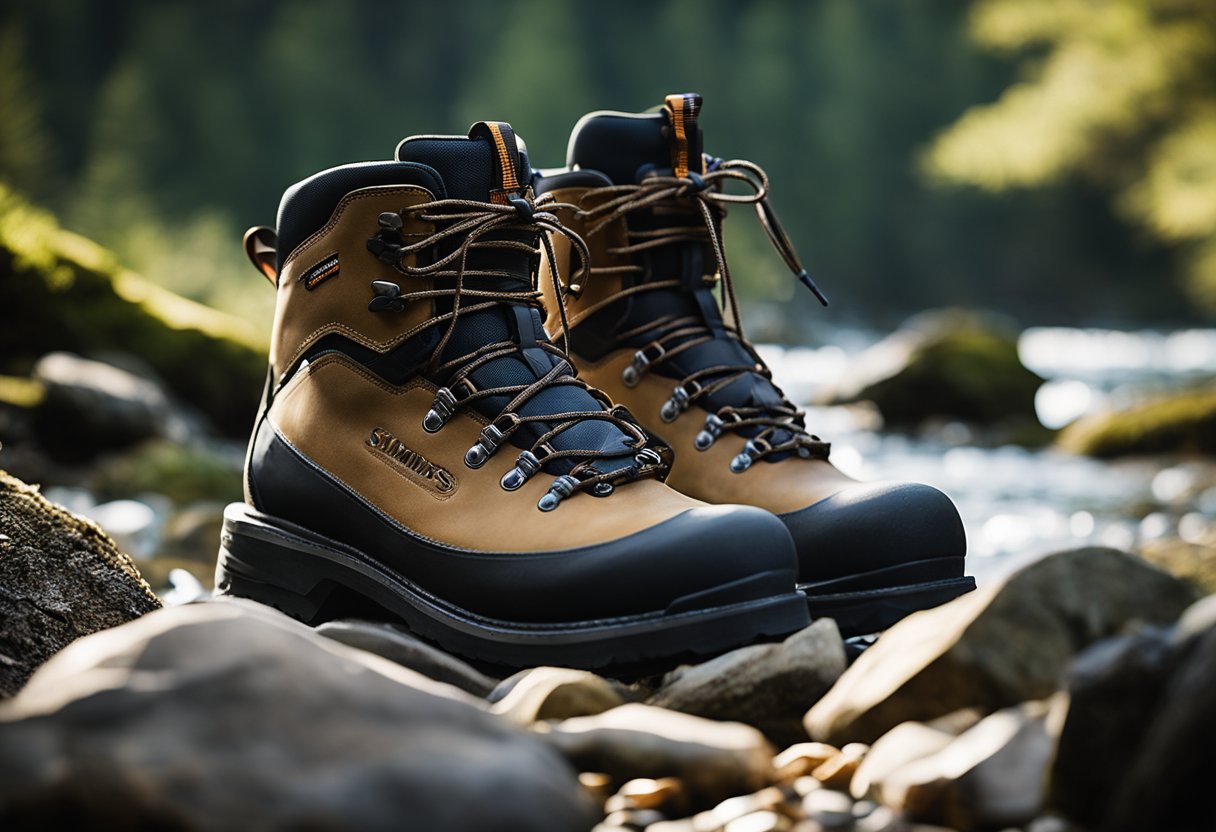
When selecting wading boots, I look for durability, comfort, and support specific to various fishing conditions. The following recommendations cover notable options catering to different needs in wading footwear.
Simms Wading Boots
Simms offers a range of wading boots that excel in construction and performance. The Simms G3 Guide Boot is a top choice for serious anglers. It features a durable synthetic upper and a cushioned midsole for comfort during long days on the water.
In addition, the StreamTread outsole provides excellent traction on slippery surfaces, enhancing safety. These boots also include ample support around the ankle, which is essential for stability in varying conditions. I've found that Simms boots hold up well even after repeated use, making them a solid investment.
Korkers Wading Boots
Korkers is known for their innovative approach to wading boots with interchangeable outsoles. The Korkers Devil's Canyon model stands out due to its versatility. The ability to switch out the outsole allows me to adapt to different environments, whether it’s muddy, rocky, or slippery.
These boots feature a lightweight and durable construction, ensuring comfort during extended wear. The built-in drainage system prevents water accumulation, which is a significant advantage. I appreciate the ankle support they provide, which is crucial for traversing uneven terrain.
Orvis Wading Boots
Orvis wading boots combine quality craftsmanship with comfort. The Orvis Ultralight Wading Boot is particularly appealing due to its lightweight design without compromising on support. Made with sturdy materials, these boots are designed to withstand rigorous use.
The Grip-Trax outsole enhances grip on slippery rocks, ensuring safety while wading. Additionally, I find the cushioned footbed offers excellent arch support, making long days on the water more manageable. Their easy-on design allows for quick entry and exit, adding convenience to my fishing trips.
Patagonia River Salt Wading Boot
The Patagonia River Salt Wading Boot is tailored for saltwater environments, but it also performs well in freshwater. Its robust construction features a waterproof synthetic upper and a reinforced toe cap for protection against sharp rocks and debris.
The boots come with a sticky rubber outsole, providing reliable traction on various surfaces. I admire the lack of excess weight, which adds to the comfort during extended use. The ample cushioning enhances support, allowing me to navigate challenging terrains with confidence.
Advanced Features for Wading Boots
Choosing the right wading boots involves understanding their advanced features that enhance performance in various conditions. Key aspects include adaptability for different terrains and addressing environmental concerns, such as preventing the spread of invasive species.
Adaptability for Different Terrains
Wading boots must provide support and traction tailored for specific environments. Features like adjustable support and ankle reinforcement are critical for navigating diverse conditions, from slippery rocks to muddy terrains.
- Support: Look for boots with cushioned insoles and supportive structures that maintain comfort during extended wear.
- Traction: Boots designed with specialized outsoles, such as rubber or those equipped with aluminum cleats, ensure better grip on uneven surfaces.
These aspects allow me to fish confidently, regardless of the terrain I encounter. Such adaptability is essential for both casual and serious anglers.
Environmental Considerations and Invasive Species
In addition to performance, it's crucial to consider the environmental impact of wading boots. I focus on features that help prevent the spread of invasive species between water bodies.
- Cleaning Features: Many modern wading boots are designed to be easily washable, effectively removing mud and debris.
- Material Choices: Selecting boots made from non-absorptive materials can minimize the risk of carrying unwanted organisms.
By prioritizing these features, I can enjoy fishing while also protecting aquatic ecosystems. These considerations ensure that I make informed choices in my outfitting decisions.
Wading Safety and Maintenance
Ensuring safety while wading and maintaining equipment is essential for any angler. I focus on proper usage and care of my wading boots to enhance my fishing experience and protect myself while on the water.
Proper Use and Safety Precautions
When wading, I prioritize my safety by considering the fit and comfort of my boots. A snug fit helps prevent slips, while inadequate support can lead to fatigue. I use a wading staff for additional stability on slippery surfaces, particularly when crossing rocks or uneven ground.
Before entering the water, I assess conditions. I watch for sudden changes in current and water levels. Wearing a personal flotation device (PFD) is advisable, as it enhances safety without hindering movement. I avoid wading in deep or murky waters where I can't see the bottom.
Finally, always communicate your plans with someone. Sharing your fishing location and expected return time contributes to overall safety.
Maintaining Your Wading Boots
To extend the life of my wading boots, I follow a regular maintenance schedule. After each use, I rinse them with fresh water to remove dirt and debris. This simple step helps prevent damage to the waterproofing materials.
I check for any signs of wear, particularly on the soles and seams. If I notice any leaks, I apply a waterproofing spray specifically designed for wading gear. Storing boots in a cool, dry place away from direct sunlight preserves their integrity.
Regularly inspecting the boots ensures that I can confidently tackle various fishing environments. Proper care maximizes performance while maintaining crucial safety features.