

Best Skagit Line for Steelhead: Comparing Scandi vs Skagit, Floating vs Sinking Spey Lines, and Leader Setup Essentials
Choosing the right fly line for steelhead fishing is crucial for optimizing your casting and presentation techniques. The best Skagit line for steelhead fishing often comes down to personal preference between Skagit and Scandi heads, each offering distinct advantages depending on your fishing style and conditions. This decision impacts your ability to effectively cover water and entice strikes from these powerful fish.
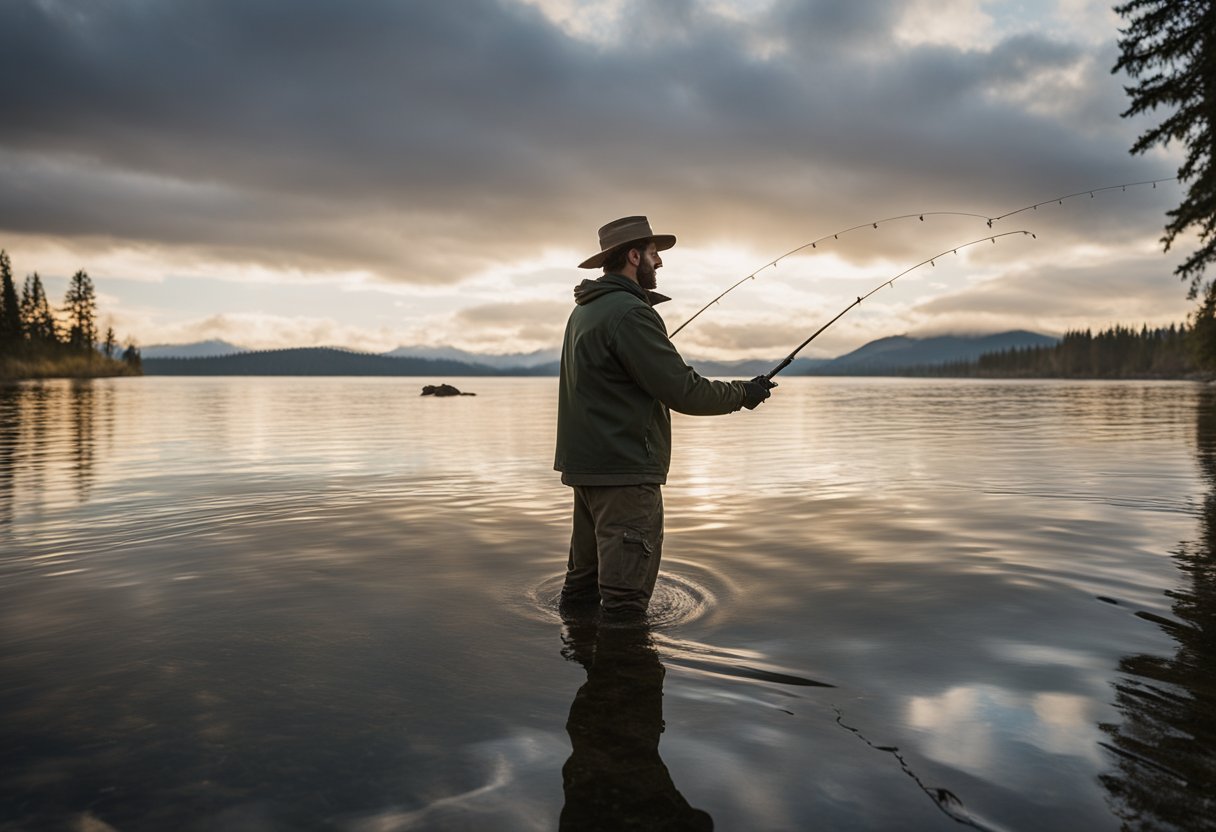
When considering floating versus sinking Spey lines, the choice significantly influences your fishing success. Floating lines are ideal for shallow rivers or when steelhead are near the surface, while sinking lines excel in deeper waters where fish may not be as accessible. Understanding how to match your line choice with environmental conditions can greatly enhance your effectiveness on the water.
I also emphasize the importance of a well-thought-out leader setup for your Spey line. A proper leader can improve your presentation and ensure your fly reaches the target at the optimal depth. In this article, I’ll discuss the nuances of each line type and provide insights on how to tailor your setup for the best results when targeting steelhead.
Understanding Spey Lines
Selecting the right Spey line for steelhead fishing involves understanding various line characteristics, including the differences between Skagit and Scandi lines. I will also explore how to optimize line choice for specific conditions.
Characteristics of Spey Lines
Spey lines are designed specifically for use with two-handed rods, making them ideal for casting larger flies over long distances. They come in various grain weights and tapers, catering to different casting techniques and conditions.
Types of Spey Lines:
- Skagit Lines: Short, heavy lines suited for casting heavy tips and large flies.
- Scandi Heads: Longer and lighter, ideal for fishing floating lines or lighter tips.
Skagit lines excel in low water conditions, while Scandi heads perform well in more moderate flows.
Key Differences Between Skagit and Scandi Lines
The primary distinction between Skagit and Scandi is the casting technique and the type of water conditions they are best suited for.
Skagit lines are heavier and require a more aggressive casting stroke. This allows for tight loops, making them effective for casting heavy sink tips and flies.
In contrast, Scandi lines feature a more gradual taper, facilitating delicate presentations and longer casts with lighter tips. Both setups have unique benefits, depending on the fishing scenario and water type, such as faster currents or slower pools.
Optimizing Line Choice for Steelhead
Choosing the right line for steelhead fishing hinges on several factors, including water conditions and the desired fly presentation.
For low, clear waters, a Scandi head with a floating tip is beneficial for presenting smaller, more subtle offerings. Conversely, in high, turbulent waters, a Skagit line paired with a sinking tip will effectively deliver larger flies into the target zone.
I often adjust my setup based on the conditions, considering factors like wind resistance and casting distance. Always match the grain weight of the line to the specific rod being used to achieve optimal performance while maintaining casting efficiency and accuracy.
Fly Line Dynamics
In my experience, understanding fly line dynamics is essential for effectively targeting steelhead. The choice between floating and sinking lines can influence casting performance, presentation, and ultimately, the success of your fishing efforts.
Advantages of Floating Lines
Floating lines offer several benefits, especially when targeting steelhead. One significant advantage is their versatility. I can use them effectively with a range of techniques, such as dry flies, nymphs, or streamers. Floating lines also facilitate better line control, allowing me to make precise presentations.
Using a floating line is ideal for targeting active fish near the surface. In addition, the ability to add various leaders or polyleaders enhances my options. I often pair these lines with a floating tip for added flexibility. Brands like Sage and Winston offer excellent floating lines designed for optimal performance with steelhead gear.
When to Use Sinking Spey Lines
Sinking Spey lines are invaluable when fishing deeper water or fast currents. I find them especially effective in situations where steelhead hold below the surface, making it essential to present my flies at the right depth.
Sinking tips and lines come in various densities, allowing me to select the appropriate line based on conditions. For example, during colder months or in high-water situations, I prefer using heavier sinking lines to reach the fish faster. This approach increases my chances of hooking steelhead, especially when using wet flies or streamers that require down-and-across presentations. The versatility of sinking Spey lines complements my gear setup and improves my overall fishing success.
Leader and Tippet Strategies
Effective leader and tippet strategies are crucial for successful fly fishing, especially for species like steelhead. I focus on constructing leaders that properly transfer energy during a cast and choosing the right tippet for the specific conditions and flies I use.
Constructing Effective Spey Leaders
When setting up my Spey leaders, I typically start with a strong, tapered leader for optimal turnover. A common choice is a leader of 10 to 15 feet in length. The butt section should be about 0.020 inches in diameter, gradually tapering down to the tippet.
For heavy flies like wooly buggers, I find polyleaders effective. They provide additional weight and help manage deeper presentations. Depending on water conditions, I might use a sink tip version to get my fly down to the fish.
I often attach my leader using a loop-to-loop connection, which maintains strength and allows easy changes in setups. This flexibility is vital when adapting to different fishing locations or targets.
Choosing the Right Tippet for Fly Fishing
Selecting the right tippet depends on various factors, including the size of my fly and fishing conditions. For steelhead, I typically use tippet between 0.12 to 0.20 inches in diameter.
I focus on using fluorocarbon tippet for its low visibility and abrasion resistance. In contrast, nylon is more forgiving and easier to handle but may be more visible.
In situations where I’m casting bigger flies, a heavier tippet is essential to withstand the stress of a solid hookset and fighting the fish. For nymphing, a lighter tippet can help achieve a more natural drift, allowing me to target trout effectively.
Choosing the right combination significantly impacts my success on the water.