


Waders: A Comparison of Breathable and Neoprene Options for Fly Fishing and Cold Water
When it comes to fishing, choosing the right waders can make a significant difference in your experience on the water. Breathable waders are ideal for warmer conditions, allowing moisture to escape while keeping you dry, while neoprene waders provide excellent insulation for colder waters. Understanding the strengths of each type ensures you select the appropriate equipment for your fishing needs.
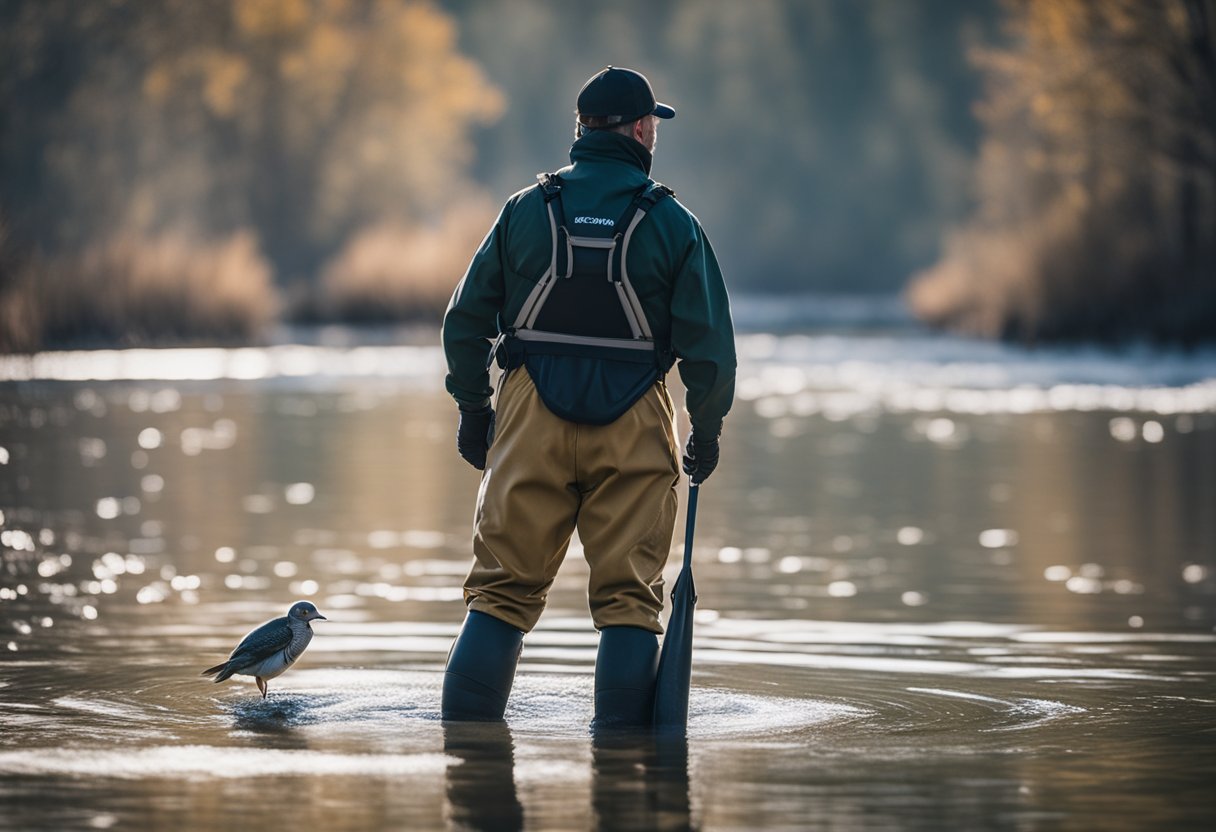
For cold water fishing, the best waders are those that offer warmth without sacrificing mobility. I often recommend investing in high-quality neoprene waders if you plan to fish in frigid conditions. Beginners can start with affordable options that still deliver comfort and durability, so they can focus on honing their skills without breaking the bank.
For fly fishing enthusiasts, the right wader can enhance your performance and enjoyment. I’ve found that selecting waders designed specifically for fly fishing helps ensure you stay dry and comfortable, allowing you to fully engage with the experience. By understanding these key factors, you can elevate your fishing outings and become a more effective angler.
Types of Fishing Waders
When selecting fishing waders, it’s important to consider factors such as materials, insulation, and intended use. The three primary types are breathable, neoprene, and hybrid waders, each offering distinct advantages for various fishing environments.
Breathable Waders
Breathable waders, often made from materials like Gore-Tex, offer excellent waterproof capabilities while allowing moisture to escape. This feature keeps me comfortable during long hours of fishing, especially in warmer weather.
I find brands like Patagonia and Simms leading the market with their lightweight designs. These waders usually come with adjustable straps for a custom fit, ensuring mobility and reducing fatigue. Features such as reinforced knee pads add durability, making them ideal for rocky stream beds.
Breathable waders work well in moderate temperatures, but I recommend layering underneath when fishing in colder conditions.
Neoprene Waders
Neoprene waders are typically thicker, providing excellent insulation. The material is naturally waterproof and ideal for colder environments, making them my go-to choice for winter fishing or duck hunting.
Most neoprene waders range in thickness, with 3.5mm to 5mm being common. Thicker options offer more warmth, but they can be heavier and less breathable.
The snug fit of neoprene helps trap warmth, but it can become uncomfortable in warmer months. I ensure to select ones with features like adjustable straps and reinforced soles for enhanced comfort and mobility.
Hybrid Waders
Hybrid waders combine features of both breathable and neoprene waders. Typically, the upper portions are made from breathable materials, while the lower sections may use neoprene for added warmth and durability.
This versatility makes them suitable for a variety of conditions. I appreciate the option to wear them in both cool and temperate weather, adapting to changes throughout the day.
Some models feature breathable Gore-Tex sections to manage moisture and temperature efficiently. Brands such as Simms offer excellent hybrid waders that adapt to different fishing styles and environments, giving me the confidence to tackle various water conditions.
Choosing Waders for Different Conditions
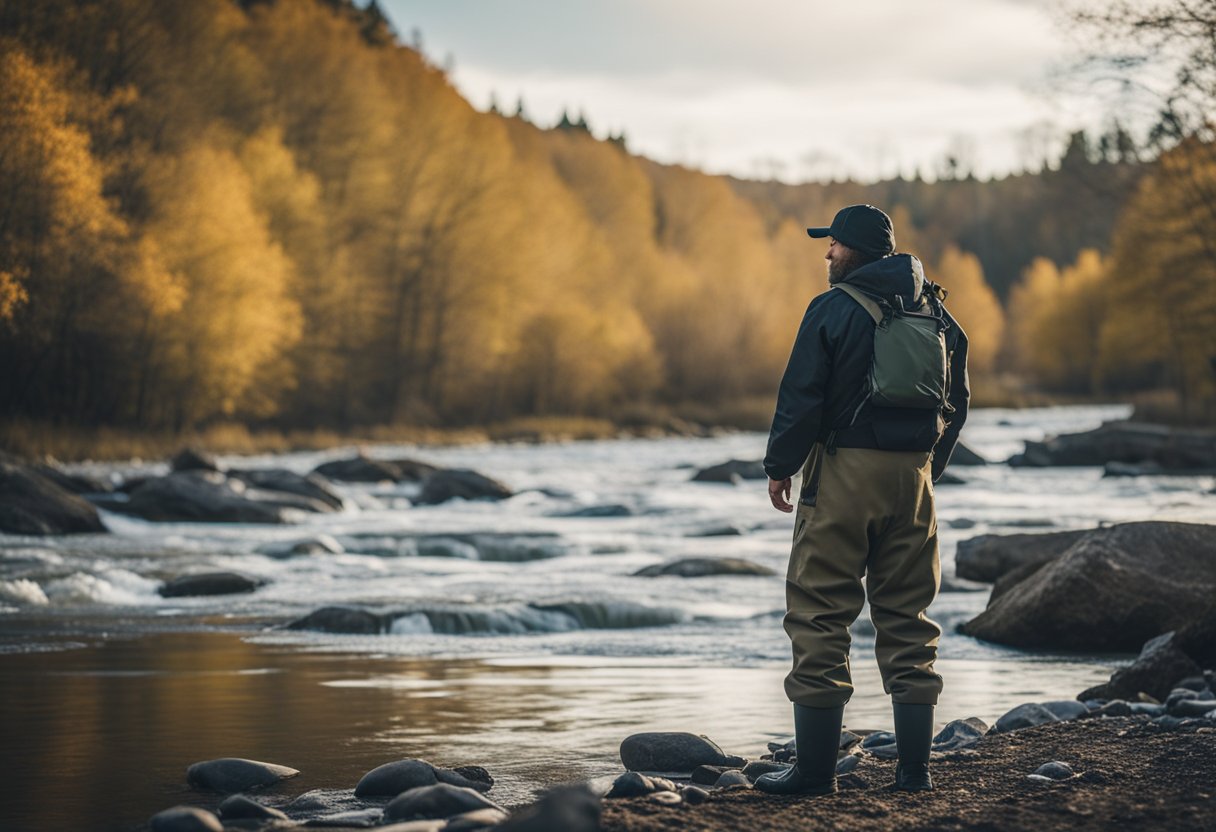
When selecting waders, the conditions I will be fishing in significantly influence my choice. Cold waters require specific insulation, while fly fishing often demands a lightweight and flexible design. Below are some considerations for these scenarios.
Best Waders for Cold Water
For winter fishing, neoprene waders are often my go-to option. They provide excellent insulation, keeping me warm in frigid conditions. I typically choose thicker models, usually 3.5mm or more, ensuring I stave off the chill.
Another effective choice is Gore-Tex waders, which offer breathability alongside water resistance. This feature becomes invaluable when fishing in fluctuating temperatures. I prefer a stockingfoot style paired with lightweight boots for easier movement.
Gravel guards are important as well, protecting my waders from debris. Investing in warm, insulated socks also enhances comfort while fishing in cold water.
Waders for Fly Fishing
In fly fishing, my focus shifts to lightweight and breathable options. Breathable waders, particularly Gore-Tex, are essential for keeping me dry without overheating. Their ability to wick moisture away is crucial for longer outings.
For this activity, I often favor stockingfoot waders. They allow me to wear the best-fitting boots, enhancing comfort during long days on the water.
I look for features like reinforced knees for durability and built-in gravel guards for easy maintenance. Having pockets for gear storage can also streamline my experience, minimizing hassle while wading.
Additional Considerations for Wader Selection
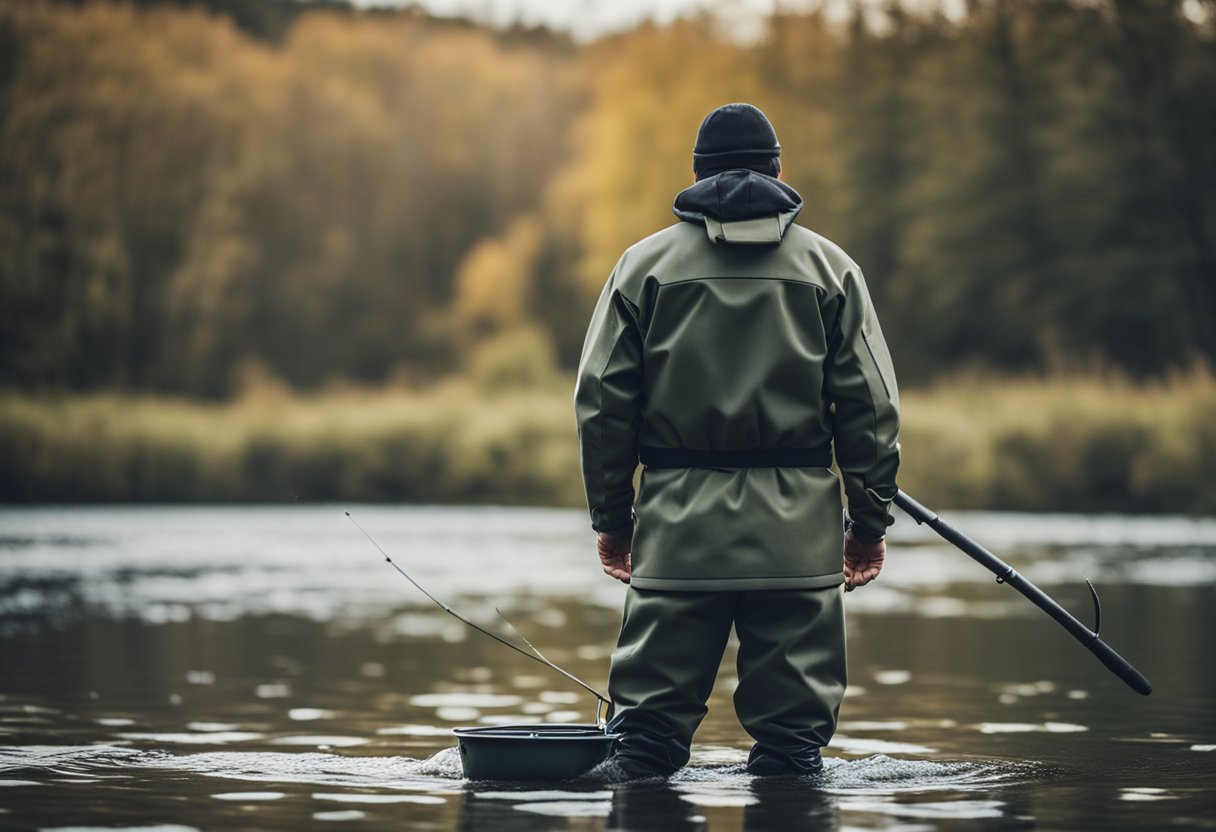
When selecting waders, it's essential to focus on affordability and compatibility with accessories. These factors can significantly enhance my fishing experience and ensure I’m well-equipped for various conditions.
Affordable Waders for Beginners
For beginners, finding cost-effective options is crucial. Brands like Simms offer a range of affordable waders without compromising quality. Look for choices such as stocking foot models that may work better with wading boots.
I find pricing around $150 to $300 to be reasonable for decent quality. Waders should also fit comfortably, allowing freedom of movement. Investing in a warranty can be wise, as it protects against defects, ensuring longevity.
Accessory Compatibility
Choosing waders that accommodate necessary accessories can improve my fishing efficiency. For instance, I need to ensure my waders have gravel guards, which prevent debris from entering my boots.
I also consider compatibility with float tubes for lakes. Some models allow easy attachment for extra gear. Having access to products like Aquaseal for wader repair is vital, too. It ensures that minor leaks can be fixed quickly, extending the life of my waders.