

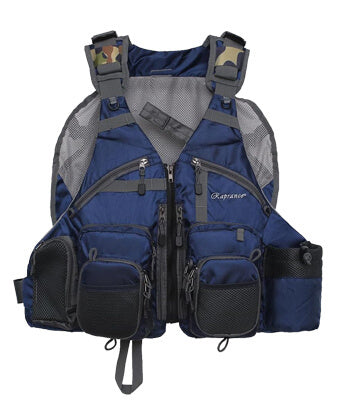
Fly Vest: The Essential Gear for Saltwater, Wading, and Backcountry Fishing with Rod Holder
When it comes to fly fishing, having the right gear can make all the difference in your experience. A well-designed fly fishing vest not only keeps your essentials organized but also enhances your comfort while wading in saltwater or exploring backcountry rivers. Choosing the right vest with ample storage and features like a rod holder can greatly improve your efficiency on the water.
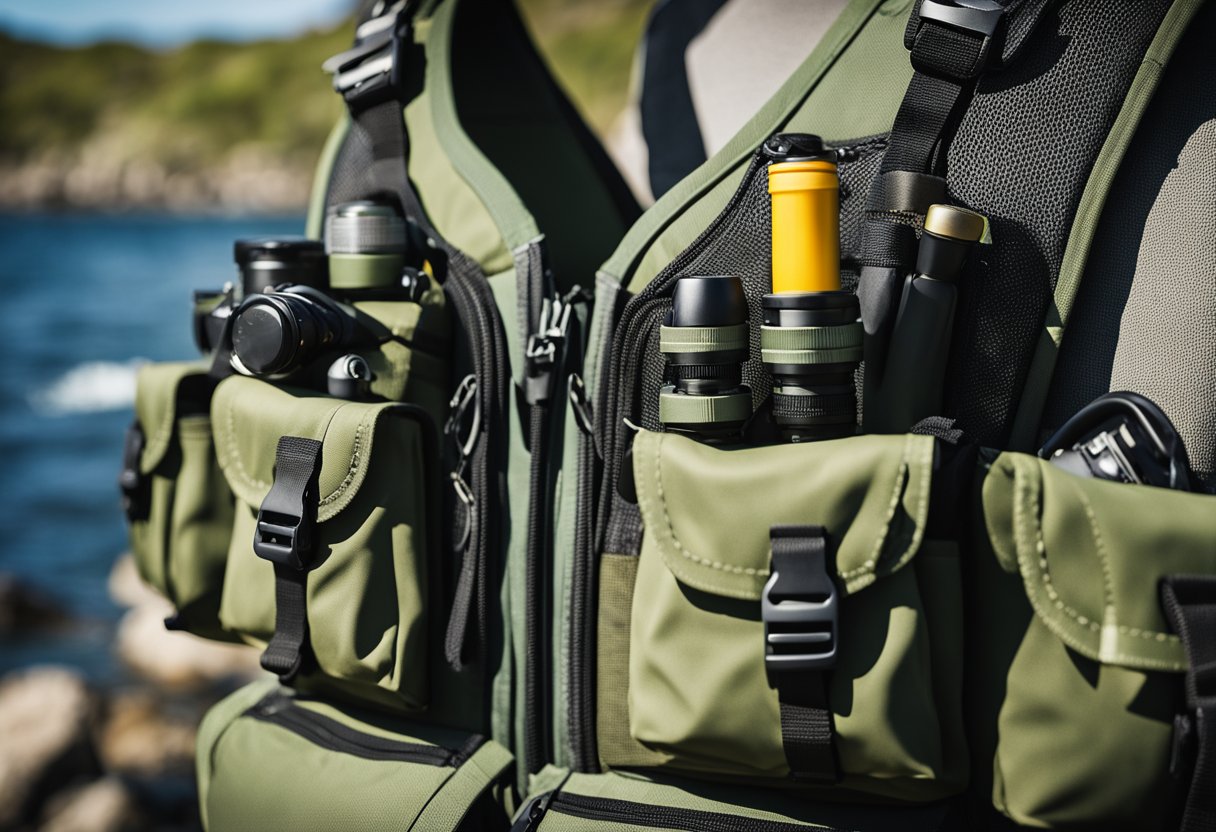
I've learned that not all vests are made equal. For saltwater fishing, durability and water-resistance are paramount, while a vest tailored for wading should offer flexibility and ventilation. Consider pockets and storage options carefully to ensure you have quick access to your flies and tools while navigating changing conditions.
A fly fishing vest equipped with a rod holder is especially useful when I need my hands free. It allows me to quickly switch between tasks, whether I’m casting a line or adjusting my gear. Ultimately, the right vest enhances my fishing experience, allowing me to focus more on the catch and less on managing my equipment.
Fundamentals of Fly Fishing Vests
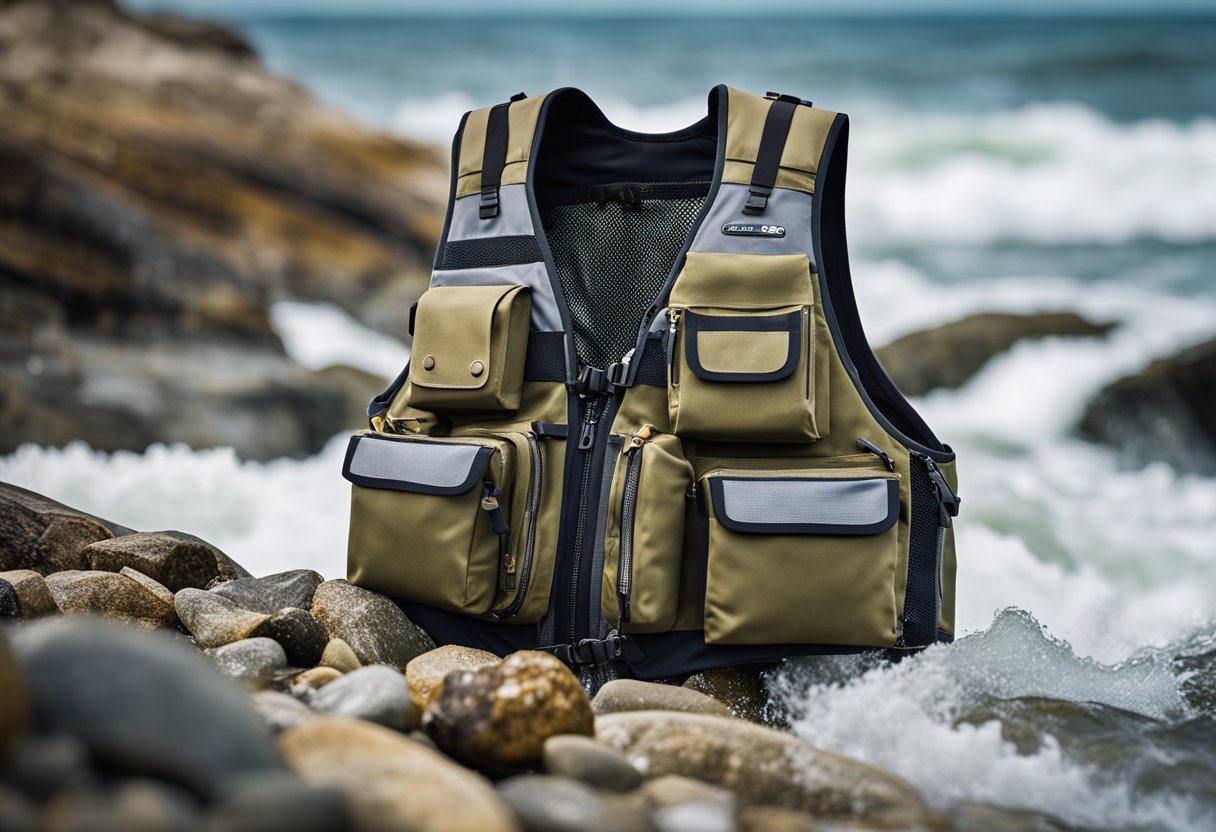
When selecting a fly fishing vest, it’s essential to consider the materials, design, and how it fits into your overall fishing strategy. Each aspect plays a crucial role in enhancing comfort and functionality while on the water.
Choosing the Right Material
The choice of material significantly affects the durability and comfort of a fly fishing vest. Common options include nylon and mesh.
- Nylon is robust and weather-resistant, providing excellent durability against wear and tears. It's ideal for saltwater fishing as it can handle harsher environments.
- Mesh offers breathability, keeping me cool during warm weather excursions. It’s lightweight and dries quickly, making it suitable for freshwater fishing or wading situations.
Consider a vest that features a combination of these materials. This approach maximizes comfort while ensuring your gear remains protected.
Vest Versus Hip and Chest Packs
Selecting between a fly fishing vest and other carrying options can impact how I fish. Each type serves different needs.
- Vests provide ample storage with pockets, allowing quick access to flies, tools, and accessories. They typically distribute weight evenly, enhancing comfort over long periods.
- Hip Packs offer a streamlined option, ideal for minimalists. They sit lower on the body, making them a good choice for wading in shallower water.
- Chest Packs offer excellent visibility and access, keeping essentials in front without hindering casting motion.
My choice often depends on the fishing environment and personal preference. Each has its advantages, fitting specific scenarios and types of fishing.
Specialized Fly Fishing Vests
When choosing a fly fishing vest, it’s essential to consider the specific conditions and environments where you’ll be fishing. Different vests cater to unique needs such as saltwater fishing, wading, or backcountry adventures. Let’s explore these specialized options in detail.
Saltwater Fly Fishing Vests
In saltwater fishing, a vest must withstand harsher elements such as salt, wind, and water. I prefer vests made from durable, water-resistant materials, which can help prevent corrosion from seawater.
Key features to look for include:
- Multiple pockets: These are crucial for organizing fly boxes, tippets, and various accessories.
- Lightweight construction: A vest like the ones from Orvis or Patagonia keeps me agile while navigating rocky shorelines.
- Integrated water bottle pockets: Keeping hydrated is vital during long days in the sun.
I often choose models with adjustable straps for a secure fit while still allowing a full range of motion.
Wading-Friendly Vests
For wading, comfort and functionality are paramount. My preferred wading-friendly vests are designed for easy access to my fly boxes and tippets while providing ample storage.
Essential features include:
- Mesh panels: These enhance breathability, which I appreciate during warm weather.
- Rod holders: A vest featuring this option allows me to quickly secure my rod when I need both hands free.
- Easy-access front pockets: These hold essential tools for quick retrieval.
I find that brands like Simms excel in creating vests that balance durability and comfort, ideal for long hours spent in the water.
Backcountry Vests for Hiking Anglers
Backcountry fishing requires a vest that combines utility with packability. When hiking to remote spots, I look for a vest that can easily integrate with my backpack.
Key considerations include:
- Weight: A lightweight design ensures that the vest won’t hinder my movements.
- Storage capacity: It should accommodate additional fishing gear while allowing for a streamlined profile.
- Compatibility with backpacks: Many backcountry vests have features that let me attach them securely, enhancing my mobility.
I often reach for options that provide extra padding for comfort during long hikes, ensuring I can enjoy my fishing adventures without discomfort.
Innovative Storage Solutions
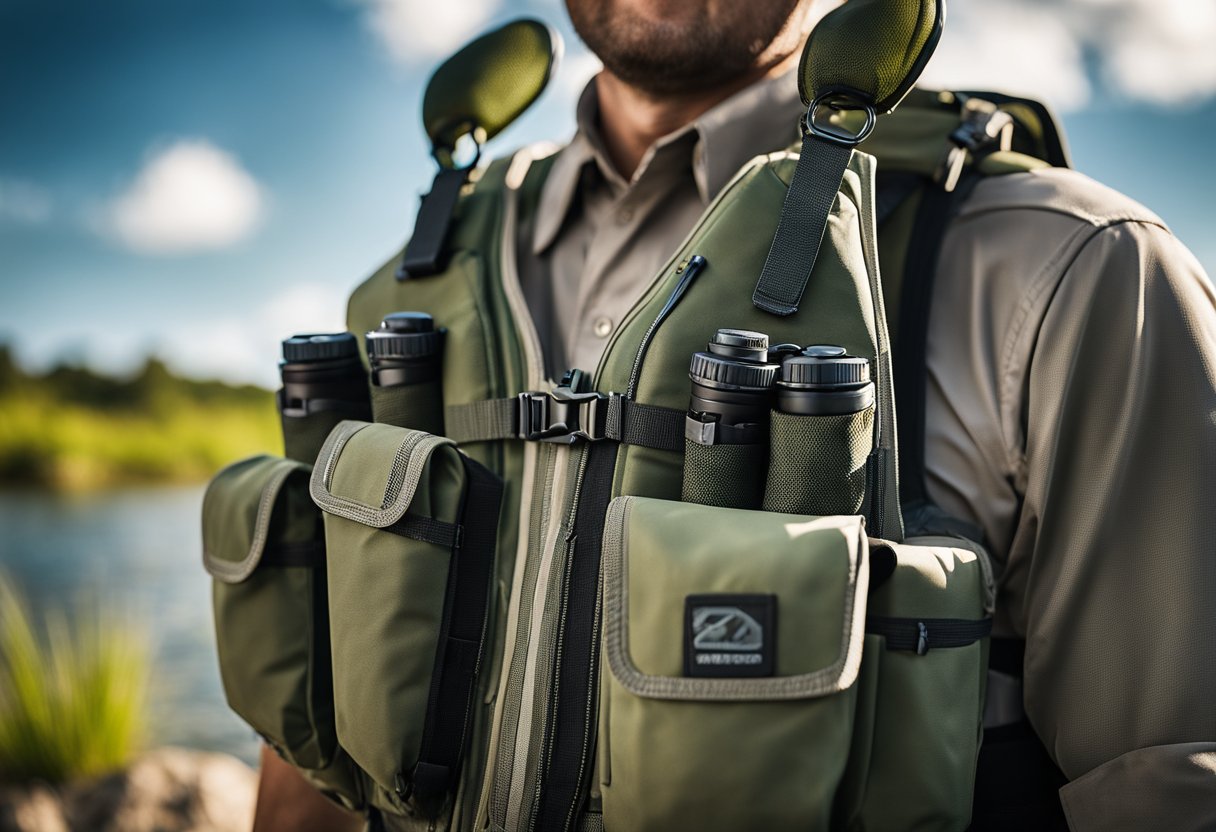
When selecting a fly fishing vest, storage capability is paramount. I find that innovative storage solutions make my fishing experiences more efficient and enjoyable. The right pockets and attachments enable quick access to essential gear while keeping everything organized.
Multipurpose Pockets and Accessory Attachment
I appreciate vests with multipurpose pockets strategically placed for easy access. These pockets can hold fly boxes, tippet spools, and tools such as nippers or forceps. Often, I opt for vests featuring adjustable or detachable pockets, allowing me to customize storage based on my fishing destination.
Many vests come with specialized pockets designed for water bottles or snacks. This feature is crucial during long wading trips. Furthermore, external attachment points, like D-rings or loops, hold accessories securely. I often attach retractable zingers for my fishing tools, ensuring they are always at hand.
Vests with Integrated Rod Holders
Integrated rod holders are a significant advantage in a fishing vest. They allow me to secure my rod effortlessly when switching lures or handling my catch. This feature significantly minimizes the hassle of finding a place to rest my rod.
Many modern vests offer collapsible or adjustable rod holders. I enjoy selecting vests that provide these options, ensuring my rod remains stable in varying conditions. Additionally, some designs allow for quick setup and breakdown, making transitions smoother.
With these features, my focus remains on fishing rather than fumbling with gear. The convenience of an integrated rod holder enhances my overall fishing experience.