


Waders: Essential Gear for Fly Fishing, Farming, and Mud Experiences
When I think of hip waders, I see them as essential gear for a variety of activities, from fly fishing to farming. These versatile tools keep your legs dry and protected, making them invaluable in wet environments and muddy fields. I’ve used them myself in different settings and have found that their functionality extends far beyond just fishing.
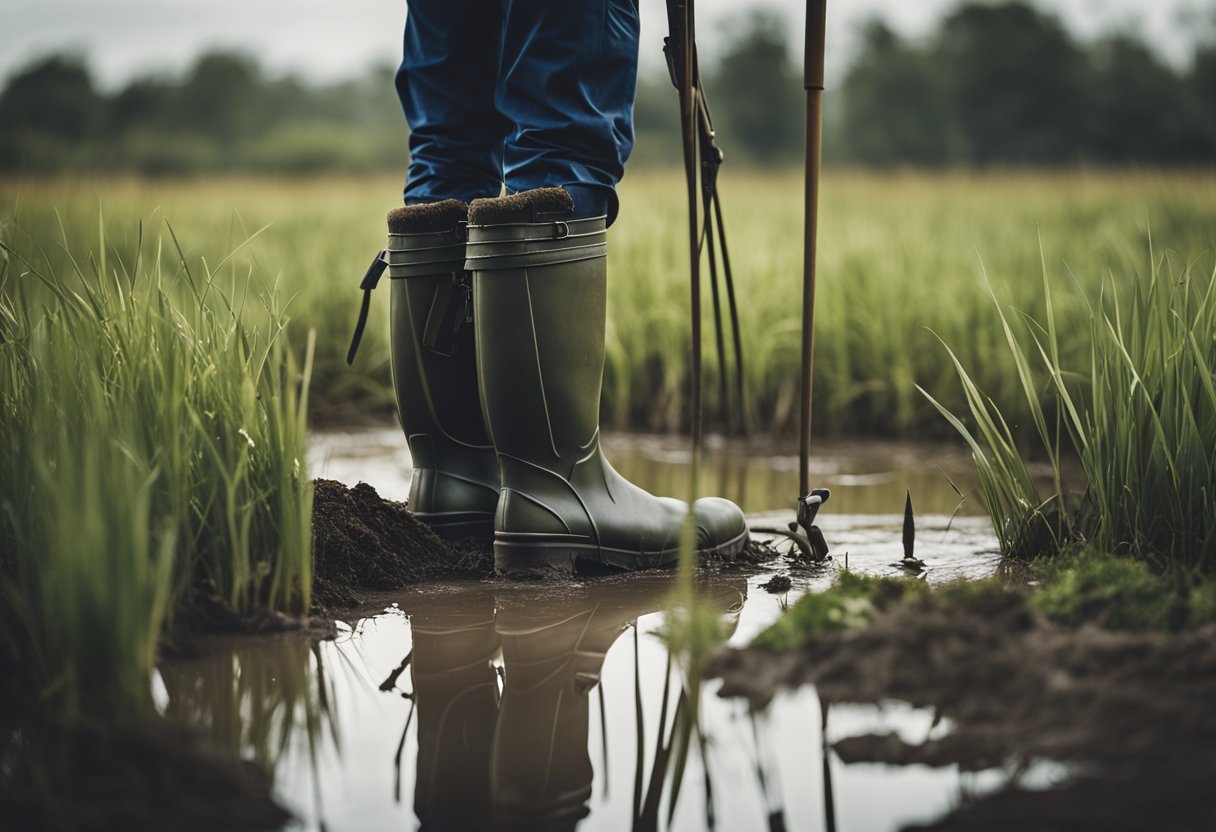
For anglers, hip waders allow for comfortable movement while casting lines in shallow waters. In farming, they serve as a barrier between boots and soggy soil, which is crucial for preventing waterlogged feet during long hours of work. For those who often find themselves in muddy conditions, investing in quality hip waders can save a lot of discomfort and hassle.
Budget options for hip waders are also available, ensuring that you don’t have to break the bank to stay dry and comfortable. I will share recommendations that balance quality and cost, ensuring you get the most value for your investment. Whether you are fishing, farming, or traversing muddy trails, there is a hip wader that will meet your needs without overspending.
Understanding Hip Waders
Hip waders are specialized gear designed for various activities requiring protection from water and mud. Their design, materials, and features greatly influence comfort, mobility, and safety.
Key Design Features
Hip waders come with essential design attributes that enhance their functionality. Adjustable suspenders ensure a secure fit and allow for easy adjustments based on the user's size or activity level.
Reflective elements are often incorporated for added visibility, making them safer for use in low-light conditions. I find that durable construction often involves reinforced seams, which minimizes wear and tear over time.
The waterproofness of hip waders is critical. Quality models often guarantee 100% waterproof performance, which helps in keeping you dry during activities like fishing or farming.
Materials and Construction
The choice of materials impacts comfort and performance. Neoprene is a popular option due to its excellent insulation properties, making it suitable for colder environments. This material also provides flexibility and durability, catering to various activities.
Nylon hip waders offer lightweight and breathable options, ideal for warm weather. These waders typically feature a waterproof coating for additional protection.
For added durability, some models use a rubber construction, which is highly resistant to punctures and abrasions. Regardless of the material, ensuring that the waders are constructed to withstand harsh conditions is crucial for their longevity and effectiveness.
Advantages of Hip Waders
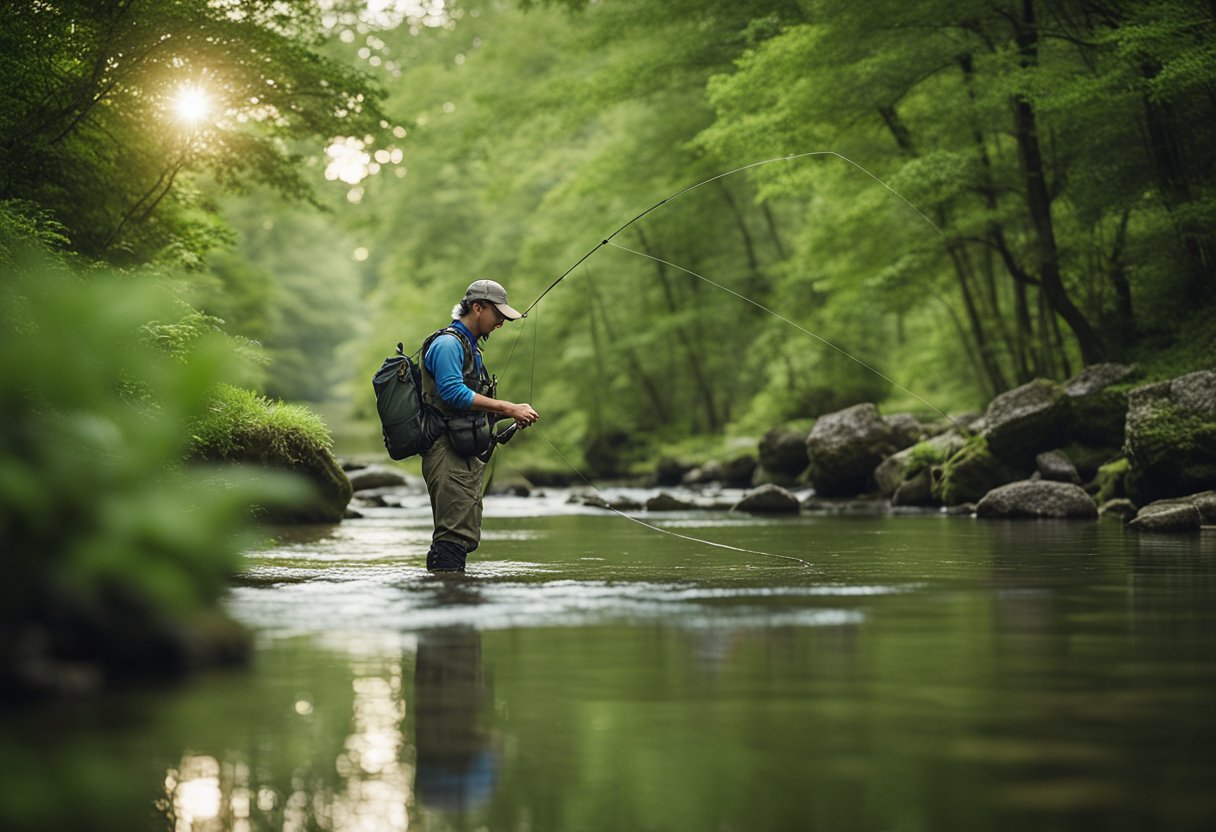
Hip waders offer practical benefits for various activities, enhancing comfort, mobility, and protection in wet or muddy conditions. Their versatility makes them a valuable asset for anyone involved in outdoor pursuits.
For Fly Fishing
When I’m fly fishing, hip waders become essential. They keep me dry in shallow waters while allowing close access to fishing spots.
Key benefits include:
- Mobility: They provide freedom of movement, essential for casting and retrieving.
- Protection: I stay dry and warm, reducing the risk of cold water exposure.
- Lightweight: The design makes them easy to wear for extended periods.
Comfort is critical during long days spent fishing, and hip waders deliver that balance of protection and mobility.
For Farming
Using hip waders in farming can significantly enhance my efficiency, especially when dealing with wet fields. These waders protect against mud and water, allowing me to work without constantly changing footwear.
Advantages include:
- Durability: Many are made from tough materials that withstand rough conditions.
- Ease of Use: They slip on easily, making transitions quick when moving between tasks.
- Versatility: Perfect for irrigation tasks or working near ponds.
With hip waders, I can focus on productivity while managing muddy conditions more effectively.
For Mud and Outdoor Conditions
In muddy situations, I've found hip waders invaluable. They provide a protective barrier against water and mud, keeping my legs and feet dry.
Benefits encompass:
- Traction: Many models feature slip-resistant soles, increasing safety.
- Breathability: Select designs allow air circulation, preventing overheating during use.
- Versatile Use: Suitable for hiking or outdoor work, I can rely on them for various activities.
This versatility makes hip waders essential for outdoor enthusiasts who encounter diverse terrains.
In Search and Rescue Operations
In search and rescue operations, hip waders play a crucial role. They offer necessary protection when navigating through waterlogged areas or marshes.
Key features include:
- Safety: Their waterproof nature is vital when wading through potentially hazardous environments.
- Mobility: I can move freely when pursuing rescue efforts, vital in urgent situations.
- Quick Access: Hip waders can be donned quickly, ensuring I’m prepared to respond on short notice.
In emergencies, having reliable gear like hip waders can make a critical difference in outcomes.
Selecting the Right Hip Waders
Choosing the appropriate hip waders is essential for comfort and efficiency in various activities like fishing and farming. I consider several factors, including size, features, and maintenance, to ensure I make an informed decision.
Size and Fit Considerations
The right size and fit are crucial for comfort and functionality. I recommend measuring both your foot and calf circumference to find the most suitable options. Hip waders should fit snugly but not restrict movement.
Size Chart Example:
| Size | Foot Length (inches) | Calf Circumference (inches) |
|---|---|---|
| S | 9 - 10 | 13 - 14 |
| M | 10 - 11 | 14 - 15 |
| L | 11 - 12 | 15 - 16 |
| XL | 12 - 13 | 16 - 17 |
I prefer durable materials like neoprene for added insulation and waterproofing. A comfortable fit minimizes the risk of blisters and allows for longer wear during activities.
Additional Features for Enhanced Experience
Several features can enhance my experience while wearing hip waders. For instance, waterproof materials are non-negotiable to keep me dry. I also look for shock-absorbent soles to reduce fatigue on rough terrain.
Convenient storage options, like pockets designed for tools or small gear, are beneficial. They allow me to keep essentials close at hand while fishing or farming.
When considering safety features, reinforced knees and oil-resistant materials can extend the longevity of the waders, offering protection against wear and tear.
Maintaining and Caring for Your Waders
Proper maintenance is key to prolonging the life of my hip waders. After each use, I rinse them with clean water to remove dirt and contaminants. This simple step prevents material deterioration and odorous buildup.
I also ensure to dry my waders thoroughly before storage, preferably in a shaded area away from direct sunlight. This helps avoid mildew and damage to the waterproof materials. Regularly check for any signs of wear or punctures and patch them promptly to maintain their effectiveness.