


Fishing Backpack: Top Choices from Simms, Orvis, Patagonia, and Fishpond
When it comes to fishing, having the right backpack can make all the difference in your experience. I’ve explored several options, including notable brands like Simms, Orvis, Patagonia, and Fishpond, each offering unique features tailored for the avid angler. The right fishing backpack provides ample storage, comfort, and durability, ensuring that my gear is always organized and easily accessible.
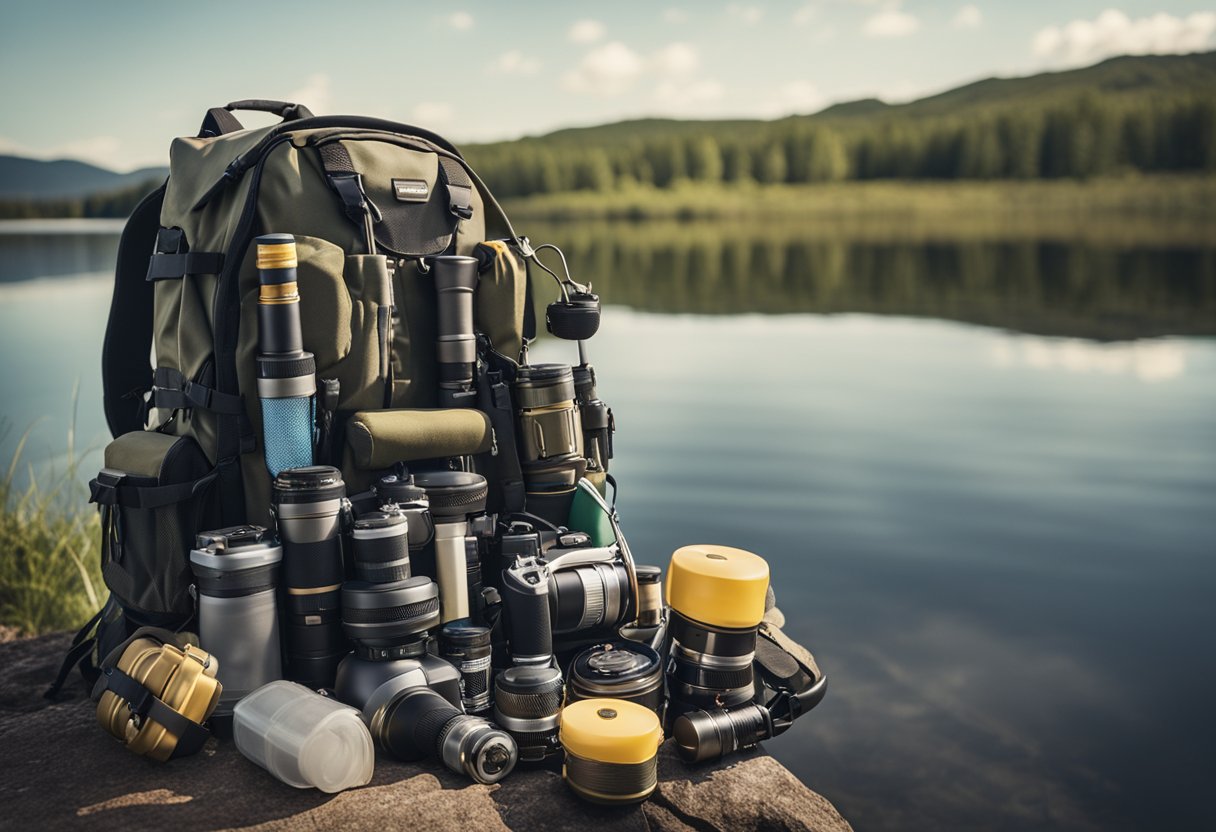
With the Simms fishing backpack, I appreciate the functional design that balances capacity and ease of movement. Orvis stands out with its combination of classic style and practical features, making it ideal for both casual outings and serious expeditions. Patagonia's commitment to sustainability ensures that their backpacks are not only efficient but also environmentally friendly, while Fishpond is recognized for its innovative designs tailored to the needs of fly fishermen.
Finding the right backpack ultimately enhances my fishing trips, allowing me to focus more on the passion of fishing rather than the hassle of organizing gear. Whether I choose Simms, Orvis, Patagonia, or Fishpond, I know I'm investing in quality and reliability that meets my fishing demands.
Types of Fishing Backpacks
Fishing backpacks are essential gear for anglers, offering practicality and convenience on the water. Each brand has unique features tailored to specific fishing needs.
Simms Fishing Backpack Features
The Simms fishing backpack is designed for durability and functionality. It often includes features like waterproof materials and multiple compartments for gear organization.
Key features of this backpack may include:
- Submersible construction: Ideal for those who fish in wet conditions.
- Hydration reservoir pocket: Perfect for staying hydrated during long fishing trips.
- Comfortable padded straps: Ensures a snug fit while traveling.
These elements make the Simms backpack a reliable choice for various fishing styles, including fly fishing.
Orvis Fishing Backpack Advantages
Orvis offers fishing backpacks that stand out for their blend of style and practicality. They typically provide ample storage with specialized compartments for tackle and accessories.
Advantages include:
- Chest pack integration: Facilitates easy access to essential tools.
- Multiple zippered pockets: Help keep items secure and organized.
- Lightweight construction: Allows for all-day wear without strain.
This combination of features makes Orvis backpacks an excellent option for serious anglers looking for efficient gear management.
Patagonia Fishing Backpack Durability
The Patagonia fishing backpack is known for its commitment to sustainability and rugged durability. Constructed with recycled materials, these backpacks withstand harsh fishing environments.
Notable aspects include:
- Weather-resistant fabric: Provides protection against rain and splashes.
- Reinforced stitching: Enhances longevity even when carrying heavy loads.
- Versatile design: Works well for both fly fishing and general angling.
Patagonia's emphasis on durability and eco-friendliness can appeal to environmentally conscious anglers looking for reliable gear.
Fishpond Design and Functionality
Fishpond focuses on innovative design and functionality in their fishing backpacks. Their products often feature a combination of technical performance and user-friendly design.
Significant features include:
- Integrated net sleeve: Allows for easy access to nets while fishing.
- External attachment points: Provide space for extra gear.
- Ergonomic fit: Ensures comfort during long days on the water.
This design philosophy makes Fishpond backpacks suitable for anglers who value accessibility and efficiency in their fishing ventures.
Choosing the Right Fishing Backpack
Selecting the right fishing backpack is crucial for an enjoyable experience on the water. It is important to consider capacity, comfort, and material to ensure you choose a pack that meets your specific needs.
Capacity and Storage Needs
When evaluating capacity, I focus on how much gear I need to carry, including fly boxes, leaders, and other essential tackle. I look for packs with multiple compartments and pockets for organization.
For short outings, a smaller backpack with around 20-30 liters of space suffices. For extended trips, I prefer backpacks that offer 40 liters or more. Adjustable dividers can also help me organize my gear efficiently, preventing damage to delicate items like fly boxes.
Comfort and Ergonomics
Comfort is key during long fishing days. I pay attention to the backpack's padding and strap design. A well-padded, adjustable shoulder strap system distributes weight evenly, reducing fatigue.
I also prefer backpacks with a hip belt for added support. Front and side compression straps are essential for stabilizing the load, preventing unwanted movement while I’m casting. Choosing materials that contour to my body enhances comfort and mobility.
Material and Water Resistance
Durability and water resistance are critical for fishing backpacks. I typically opt for materials like nylon or polyester that withstand wear and tear. A good fishing backpack should also have reinforced seams that increase longevity.
Water-resistant or submersible options are vital for keeping my gear dry in wet conditions. Look for packs with waterproof zippers or coatings that enhance water resistance. This feature ensures my fly boxes and electronics stay safe, even during unexpected rain or splashes.
Essential Gear and Accessories
When preparing for a day on the water, having the right gear is crucial. Proper organization of my fishing tools makes the experience more enjoyable and efficient. Two key areas to focus on are managing fly reels and lines as well as organizing fly boxes and leaders.
Fly Reel and Line Management
Managing my fly reel and lines effectively enhances my fishing experience. I prefer using reel cases to protect my fly reels from damage during transport. A well-spooled line reduces tangles and ensures smooth casting.
I find a line management system essential. I often utilize line spools to keep my lines organized and tangle-free. Additionally, having a line basket can prevent line from dragging in the water or getting caught on debris.
Key Tools for Management:
- Reels: Lightweight and corrosion-resistant for durability.
- Cases: Padded for protection during transport.
- Baskets: Essential for clean line management.
Organizing Fly Boxes and Leaders
Efficient fly box organization is key for quick access to my flies. I categorize flies by type, such as dry flies, nymphs, and streamers, using clear plastic fly boxes. Labeling each section helps me find what I need without wasting time.
In addition to flies, I prioritize keeping leaders accessible. I use leader wallets to store different lengths and strengths for various fishing conditions. This organization ensures I can quickly change leaders when needed.
Organizational Tips:
- Use clear fly boxes for easy visibility.
- Categorize by type for quick access.
- Keep a leader wallet for various fishing situations.