

Fly Vest: The Ultimate Choice for Comfort and Style in Fishing with Multiple, Breathable Pockets
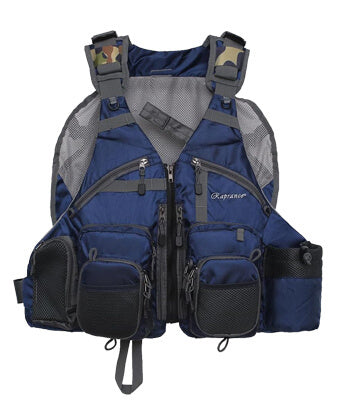
When it comes to enhancing my fishing experience, I’ve found that a quality fishing vest is indispensable. A well-designed fly fishing vest offers not just convenience, but also comfort and practicality, making it easier for me to access gear while on the water. Whether I’m casting my line or navigating rocky terrain, having multiple pockets to organize tools and tackle drastically improves my outdoor activities.
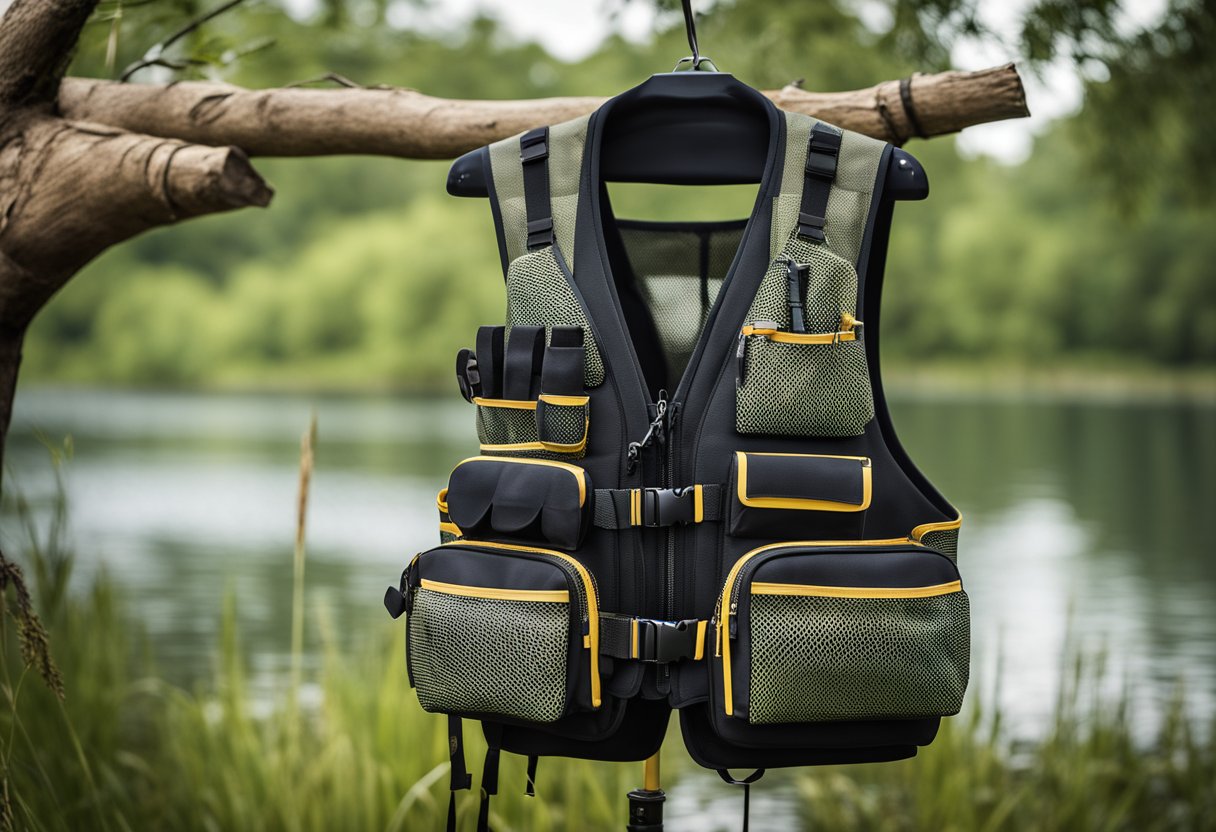
I particularly appreciate the breathable and mesh designs that allow for airflow during hot days, keeping me comfortable throughout the fishing trip. The neoprene options also provide additional durability, ensuring that my gear withstands the rigors of the environment. These vests are tailored for those like me who want to focus on enjoying the tranquility of fishing while staying organized and prepared.
Essential Features of Fishing Vests
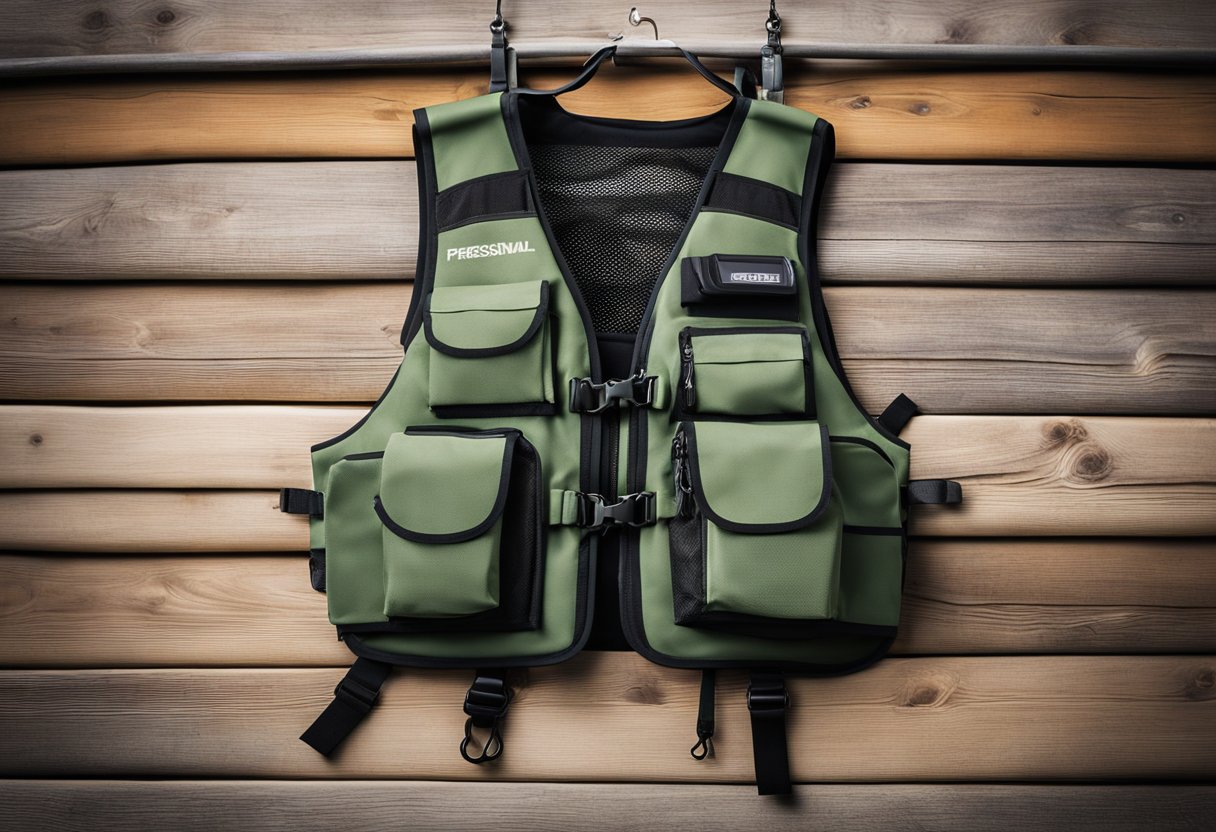
When selecting a fishing vest, several features are crucial for enhancing the fishing experience. Key factors include pocket configuration, material and durability, and comfort. Each element contributes to functionality and effectiveness on the water.
Pocket Configuration and Storage
A fishing vest’s pocket configuration is essential for organization and accessibility. I prefer vests that offer multiple pockets, including large compartments for tackle boxes and smaller zippered pockets for tools and personal items.
Pocket types may include:
- Front pockets: Ideal for easy access to frequently used items.
- Side pockets: Good for additional storage without hindering movement.
- Back pockets: Useful for larger gear or snacks.
Having a secure and varied storage solution helps me keep everything organized, minimizing the time spent searching for tools while maximizing my time fishing.
Material and Durability
Durability is a vital aspect of any fishing vest. I look for vests made from tough materials that can withstand outdoor conditions. Common materials include nylon and polyester, which are not only durable but also resistant to abrasion.
Breathable, quick-drying fabrics enhance comfort and performance. A lightweight vest ensures that I can move freely without unnecessary bulk. Choosing high-quality materials helps ensure longevity, allowing me to enjoy my vest for many fishing trips to come.
Comfort and Fit
A comfortable fit is non-negotiable when it comes to fishing vests. I prefer adjustable straps that provide a secure fit while allowing freedom of movement. A vest that fits well minimizes chafing and discomfort during long hours on the water.
Breathability is another factor to consider. Vests with mesh panels or breathable fabrics help keep me cool in warm conditions. An ergonomic design also contributes to comfort, allowing me to move naturally while casting and reeling in. This balance of comfort and functionality enhances the overall fishing experience.
Types of Fishing Vests
Fishing vests come in various styles and materials, each offering unique benefits. Here, I will discuss the primary types: mesh, neoprene, and breathable fishing vests. Understanding these options helps me choose the best fit for my fishing needs.
Mesh Fishing Vests
Mesh fishing vests are ideal for warm weather conditions. Their open-weave design allows for maximum airflow, keeping me cool and comfortable during long days on the water.
These vests typically feature multiple pockets, providing ample storage for fishing gear such as tackle boxes, bait, and tools. Additionally, many mesh vests have adjustable shoulder straps, ensuring a secure fit.
When selecting a mesh vest, I consider the number of pockets and their layout. Well-placed pockets can enhance my efficiency while fishing, keeping necessary items easily accessible.
Neoprene Fishing Vests
Neoprene fishing vests offer excellent insulation, making them suitable for colder environments. The material is not only warm but also water-resistant, ensuring that I stay dry in damp conditions.
These vests typically come with reinforced stitching and durable zippers, which add to their longevity. Many also feature adjustable shoulder straps, allowing me to customize the fit for maximum comfort.
While neoprene vests may not provide as much ventilation as mesh options, they excel in maintaining body heat. This makes them an excellent choice for winter fishing trips or locations with variable weather.
Breathable Fishing Vests
Breathable fishing vests often combine lightweight fabric with moisture-wicking properties. This design allows me to stay dry and comfortable even in humid conditions.
Many breathable vests come with multiple pockets for organizing gear. They are also equipped with adjustable shoulder straps for a tailored fit, enhancing comfort during extended wear.
When I choose a breathable vest, I look for features like ventilation panels and mesh linings. These elements significantly enhance airflow and help regulate my body temperature while fishing.
Considerations for Purchase
When selecting a fishing vest, size and color are critically important. Knowing the right fit ensures comfort and functionality, while the choice of color can enhance visibility and style.
Finding the Right Size
Selecting the right size is essential for comfort and utility during fishing trips. Vests typically come in various sizes, including small, medium, large, and extra-large. I recommend checking the manufacturer’s sizing chart, as sizes can vary significantly between brands.
When trying on a vest, consider layering with clothing you usually wear while fishing. Ensure that the vest allows for free movement of your arms and doesn't restrict your range of motion. I prefer vests with adjustable straps for a customized fit. Here’s a quick size guide:
| Size | Chest Measurement (inches) |
|---|---|
| Small | 34-36 |
| Medium | 38-40 |
| Large | 42-44 |
| Extra Large | 46-48 |
Selecting Appropriate Colors
Color choice in fishing vests serves both practical and aesthetic purposes. Neutral colors like khaki, black, and army green offer versatility and blend well with natural surroundings.
Choosing darker colors can help hide stains, while lighter shades may reflect heat, making them ideal for hotter days. I often opt for khaki or army green, which don’t show dirt as easily and provide a classic look. If I’m fishing in low-light conditions, bright colors can help with visibility for safety reasons.
In summary, when choosing colors, consider effectiveness for specific fishing environments while also reflecting personal style.