

Fly Line Weight: Choosing the Right Sink Rate for Windy Conditions, Big Fish, and Delicate Presentations
Selecting the right fly line weight is crucial for adapting to various fishing conditions. For windy situations, a heavier fly line can help improve casting efficiency and accuracy, allowing me to manage the added resistance without sacrificing performance. Understanding how different weights affect my techniques can make a significant difference, particularly when facing challenging weather.
When targeting larger fish, using a heavier line is often necessary to ensure I can deliver a strong presentation and withstand the fight that comes with pursuing bigger species. This choice impacts my casting ability and the overall effectiveness of my setup. Knowing the balance between line weight and rod action is key to maximizing my success.
Conversely, when aiming for more delicate presentations, I tend to opt for lighter lines. These allow for precise placements, ensuring my flies land softly on the water, which is essential for enticing wary fish. Tailoring my gear to the specific situation not only enhances my experience but also increases my chances of making a successful catch.
Fundamentals of Fly Line Selection
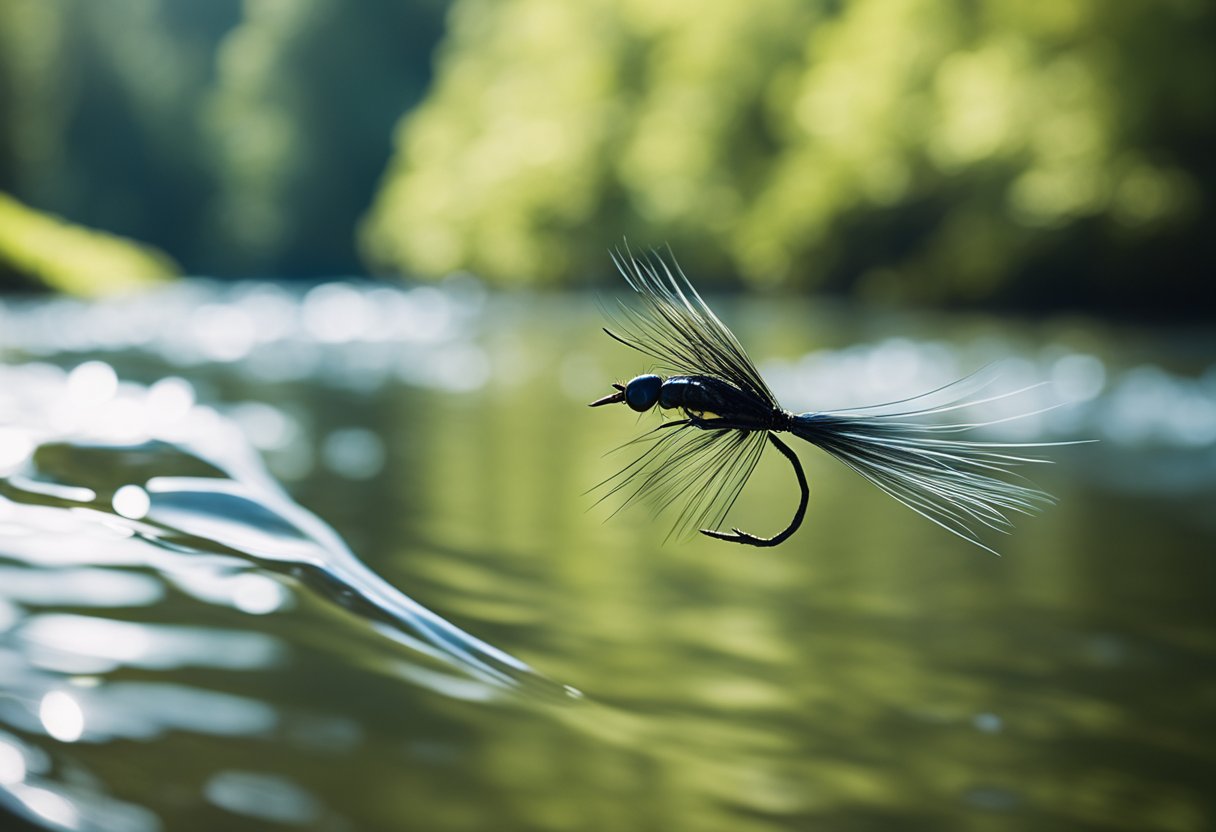
Selecting the right fly line is crucial for effective casting and achieving the desired presentation. The choice of line weight, taper, and type plays a significant role in how I approach different fishing situations.
Understanding Fly Line Weight and Taper
Fly line weight is measured in AFTMA (American Fishing Tackle Manufacturers Association) ratings, ranging from 1 to 14. Choosing the appropriate weight depends on the target species and fishing conditions.
In windy conditions, I often opt for heavier lines to cut through the breeze. For delicate presentations, lighter lines like a 3 or 4-weight can provide subtlety.
Types of Tapers:
- Double Taper (DT): This taper offers a symmetrical design, useful for delicate presentations and roll casts.
- Weight Forward (WF): It has a thicker front taper that allows for long-distance casting and is ideal for windy days.
These taper designs affect not just casting but also how the fly behaves in the water.
The Role of Fly Line in Casting and Control
The taper of the fly line influences casting distance and accuracy. The line head provides the bulk and weight needed to propel the line, while the belly aids in the transfer of energy during the cast.
Components like the front taper help in delicate delivery, allowing for a smooth presentation. Conversely, the rear taper assists in line control back to the reel.
When considering fly lines, I pay attention to the running line as well, as it affects stripping line back in. A good choice in line characteristics enhances casting efficiency and overall fishing success.
Tackling Windy Conditions with the Right Fly Line
When fishing in windy conditions, selecting the appropriate fly line weight is essential for effective casting and presentation. I focus on two primary aspects: optimal line weight and specialized taper designs that enhance performance in challenging wind scenarios.
Optimal Line Weight for Wind
In windy conditions, I generally prefer using a heavier fly line. A weight-forward (WF) line can help me achieve longer casts with less effort. For instance, I often choose a line that's one or two sizes heavier than the standard recommendation for the rod.
This increased weight gives me the added momentum needed to combat wind resistance. Furthermore, lines designed for distance casting will help my fly cut through the breeze more easily while maintaining control. Heavy sinking lines, like shooting heads, can also be beneficial when I need to target fish at deeper levels, especially in gusty weather.
Specialized Taper Designs for Windy Scenarios
I pay attention to fly lines with specialized tapers when fishing in windy conditions. Lines with a short front taper and a stout butt section are particularly effective. Such designs provide quicker turnover and minimize drag, allowing my fly to present well even in blustery conditions.
A shorter taper helps maintain accuracy when casting against the wind, reducing the chance of wind-induced tangles. Additionally, using lines designed with high-visibility colors can assist in tracking my casts over long distances, especially when I’m working to navigate tricky wind patterns.
Selecting Fly Line for Targeted Fish Species
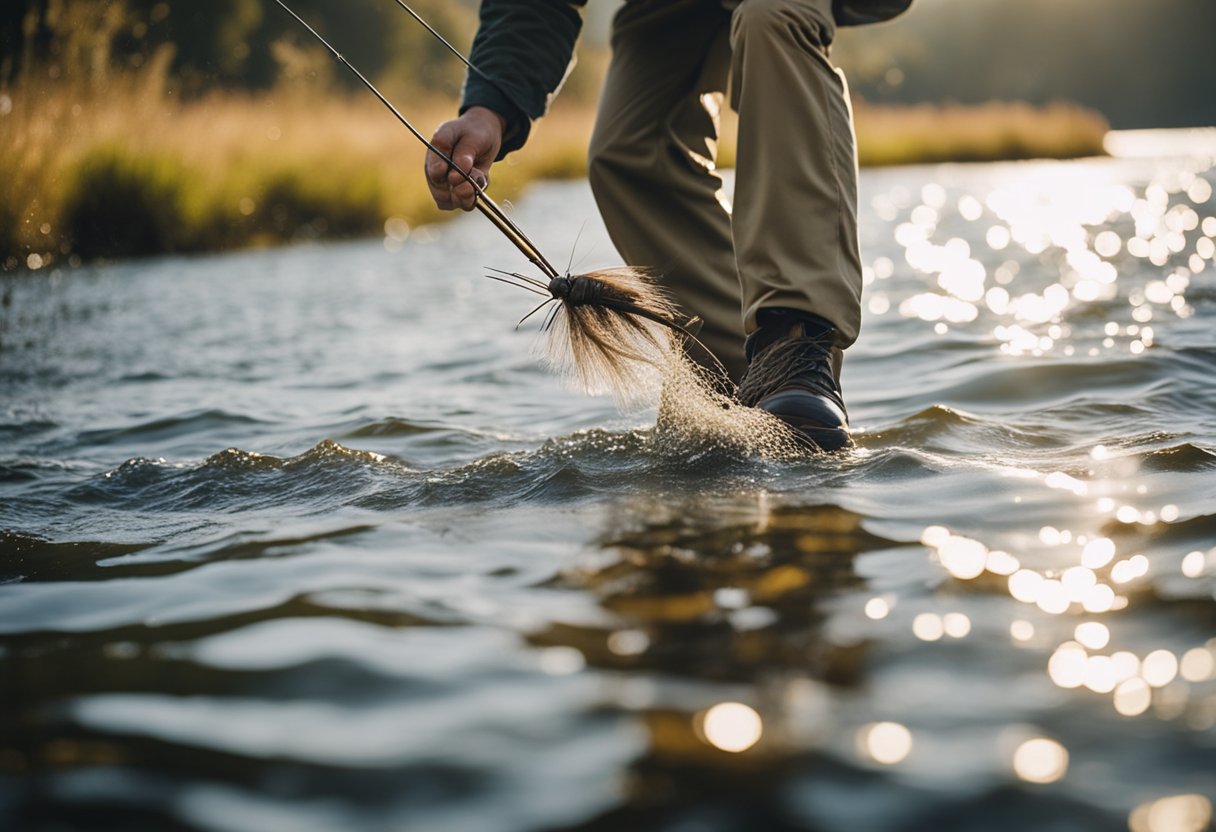
Choosing the right fly line is crucial for effectively targeting specific fish species. The line weight must align with the size of the fish and the conditions in which I’ll be fishing. Various brands and materials can also enhance the fishing experience, making this selection process vital.
Matching Line Weight with Fish Size
When targeting large species like tuna or tarpon, I typically opt for heavier fly lines, usually in the 10 to 12 weight range. Heavy lines help manage larger flies and withstand strong winds, providing the necessary backbone for fighting big fish.
For species like salmon and steelhead, a 7 to 9 weight line usually suffices. These fish require a balance of power and finesse. I often choose a line with a suitable sink rate to reach fish holding at various depths.
Here’s a quick reference for line weights:
| Fish Species | Recommended Line Weight |
|---|---|
| Tarpon | 10 - 12 |
| Tuna | 10 - 12 |
| Salmon | 7 - 9 |
| Steelhead | 7 - 9 |
This chart aids in selecting the appropriate line for my targeted fish.
Innovative Line Materials and Brands
I prefer using brands like Cortland, Airflo, and Scientific Anglers, which offer innovative materials that improve performance. These brands utilize advanced polymers for increased durability and reduced memory.
For situations requiring delicate presentations, a line from Orvis may be preferable, as they often provide options designed for precision in casting lightweight flies.
High-quality fly lines also feature taper designs geared toward specific fish species. For instance, a short, stout taper works well for large flies, enhancing control while casting in windy conditions.
Ultimately, the choice of line material affects how well I can present my fly to the target species.
Mastering Delicate Presentations
Achieving delicate presentations in fly fishing requires precision and an understanding of the materials at your disposal. I focus on techniques that allow for a gentle delivery of my flies, whether using dry flies or nymphs, ensuring they land softly on the water’s surface without spooking fish.
Techniques for Achieving a Gentle Delivery
To execute a delicate presentation, I concentrate on my casting technique. Maintaining a relaxed wrist is crucial, as it enables a softer stroke, reducing the force with which the line lands. A short and smooth cast is ideal when I aim for precision.
Using a roll cast can also enhance control, especially in tight spaces. It eliminates unnecessary line speed, allowing flies to land with minimal disturbance.
Wind conditions matter, too. I prefer to face downwind when possible, so the line naturally floats down and gently delivers my offering. Additionally, using a reach mend as I cast further enhances the presentation by keeping my line off the water's surface.
Choosing a Line for Nuanced Presentation
Selecting the right line significantly affects the quality of my delicate presentations. For this purpose, I favor floating lines when fishing with dry flies. Floating lines help the fly maintain its intended position on the surface.
When targeting fish that prefer subsurface nymphs, I might use a lightweight sinking line. This option allows me to present my flies naturally along the water column without unnecessary drag.
I also consider using silk lines for added stealth. Their thinner diameter reduces visibility and enhances my ability to present delicate offerings discreetly. The key is to match the line type with the specific conditions and the fish's feeding behavior, ensuring an effective presentation.