

Fly Line: Choosing the Best Running Line for Successful Fly Fishing
Choosing the right fly line can significantly enhance your fly fishing experience. The best running line for fly fishing should be lightweight, durable, and match the specific conditions of your fishing environment. Whether you're casting in freshwater or saltwater, understanding the difference between running line and shooting line can help you optimize your performance on the water.
When I began fly fishing, the nuances of running lines and shooting lines puzzled me. A running line is typically lighter and used for distance casting, while a shooting line is designed for long casts and heavier setups. Knowing this distinction is essential for selecting the most effective line for your fishing style.
As you embark on the journey to find the best running line for your needs, consider factors such as line weight, material, and water conditions. By making informed choices, you can increase your chances of landing that prized catch.
Understanding Fly Lines
Fly lines play a crucial role in the mechanics of fly fishing. Key components include tapers and line weights, which influence casting performance and presentation.
Components of Fly Lines
A fly line consists of various components: backing, running line, and the head. The backing provides extra line capacity on the reel and connects to the running line. The running line typically has a thinner diameter and allows for quick retrieval. The head of the line is where the weight is concentrated, facilitating casting.
Each component works together. The head includes the taper, which impacts how the line transfers energy during a cast. A good line typically has a clear distinction between the front taper, belly, and rear taper, optimizing both distance and accuracy.
Fly Line Tapers and Their Functions
Tapers are essential for effective casting. They dictate how the line behaves in the air and on the water. Common tapers include weight forward (WF) and double taper (DT).
- Weight Forward (WF): Most popular for general applications, the line has increased weight in the front section, aiding in distance casting.
- Double Taper (DT): This design allows for delicate presentations and is reversible, extending the line's lifespan.
By understanding these profiles, I can select the most suitable line for various fishing conditions. The choice between a front taper and a rear taper can significantly enhance control while casting.
Line Weights and AFTMA Standards
Line weight is pivotal in the fly fishing industry. The American Fishing Tackle Manufacturers Association (AFTMA) defines line weights, which help match the rod, reel, and line. For instance, a 7 weight rod pairs well with a 7 weight line, ensuring optimal performance.
Line weight affects casting distance and accuracy. Heavier lines can handle wind and large flies, while lighter lines offer finesse.
AFTMA standards categorize lines into specific weights, helping me choose a line that aligns with my equipment. In addition, the taper and diameter can vary by line weight, impacting the overall performance.
Understanding these elements helps refine my fly fishing techniques and improve my overall success on the water.
Running Lines
Choosing the right running line is essential for effective fly fishing. Understanding the differences between running lines and shooting lines will help you make informed decisions about your equipment.
Running Line vs Shooting Line
Running lines and shooting lines serve distinct purposes in fly fishing. A running line is typically more slender and is designed for smooth casting and distance. It minimizes tangles and helps to maintain control over the cast.
In contrast, a shooting line is thicker and more robust, used to manage heavier payloads, such as shooting heads. It allows for longer casts, but it can increase the likelihood of tangles. When selecting between the two, consider your fishing style and target species, as this will influence your effectiveness on the water.
Selecting the Best Running Line for Fly Fishing
When I choose a running line, I consider several key factors. First, line material plays a significant role; mono running lines offer visibility and buoyancy, while braided lines provide sensitivity and strength.
Next, I look at the line's diameter and weight. A thinner line aids in casting accuracy and distance but may be less durable against wear. For varied conditions, options like the Airflo Ridge Running Line provide features aimed at reducing tangles, enhancing performance. I also evaluate brands like RIO and Scientific Anglers, which offer reliable products suited for different fishing techniques.
Top Running Line Products on the Market
The market features various standout running lines tailored for specific needs. The RIO SlickShooter is popular for its low stretch and high sensitivity, making it excellent for long-distance performance.
The Airflo Ridge Running Line is notable for its ridged surface, which reduces friction and enhances casting distances while minimizing tangles. Scientific Anglers also offers efficient running lines suitable for various conditions, like the RIO Powerflex, known for its elasticity and durability. These options provide flexibility for both novice and experienced anglers alike.
Strategies for Fly Fishing
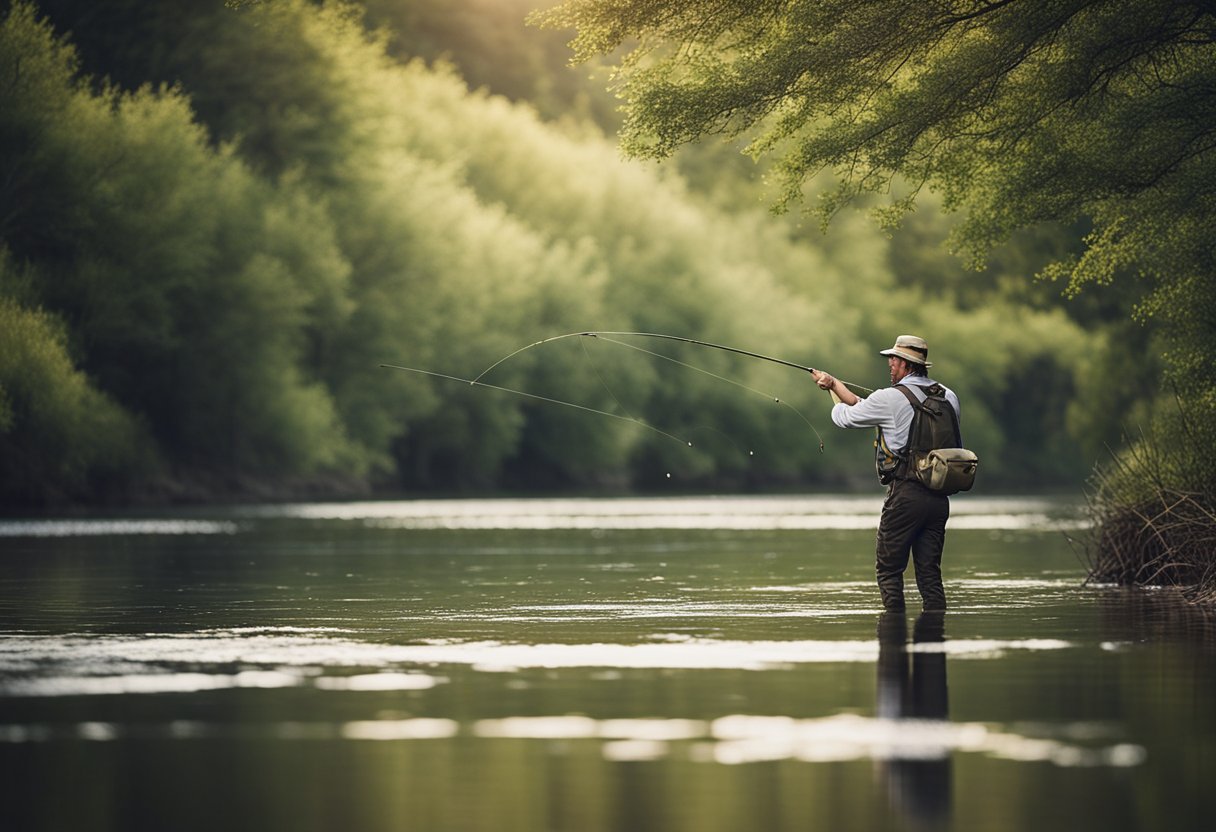
Effective fly fishing requires a combination of techniques that enhance casting performance, selection of the right flies, and proper line management. Each factor plays a critical role in ensuring a successful fishing experience.
Casting Techniques for Optimal Performance
When casting, I focus on line speed and the stroke's mechanics. A smooth, accelerated motion generates the necessary distance. I prefer weight forward lines for their ability to load the rod quickly. The key is to maintain a tight line throughout the cast, allowing for accurate placement of my fly.
In different fishing conditions, such as windy days, I adapt my casting technique. Low-angle casts help to keep the line from being blown off course. I also practice double-haul techniques to maximize distance casting, adding power and precision.
Fly Selection and Presentation
Choosing the right fly is crucial. I pay attention to the fishing conditions, selecting dry flies when insects are hatching and nymphs for deeper presentations. For trout fishing, I prefer imitations that match local prey, using dry flies in evenings when insects become active.
Presentation matters just as much as fly selection. I aim for a natural drift, mimicking the movement of real insects. For bass, I opt for streamers or poppers, ensuring that the fly maintains an enticing action in their environment.
Mending and Line Management
Mending helps control the drift of my fly on the water's surface. I make a careful reach mend to adjust the line's angle without pulling the fly unnaturally. This technique is especially important when nymphing, as it allows me to detect subtle strikes.
I use monofilament leaders for their sensitivity and flexibility in various conditions. Managing line weights is also critical; lighter lines can improve presentation in moving water, while heavier setups work well in still conditions. Keeping my line organized and free of tangles helps maintain focus and increases my chances of a successful catch.